The Heart of ACF: Why the Farm Shop Matters

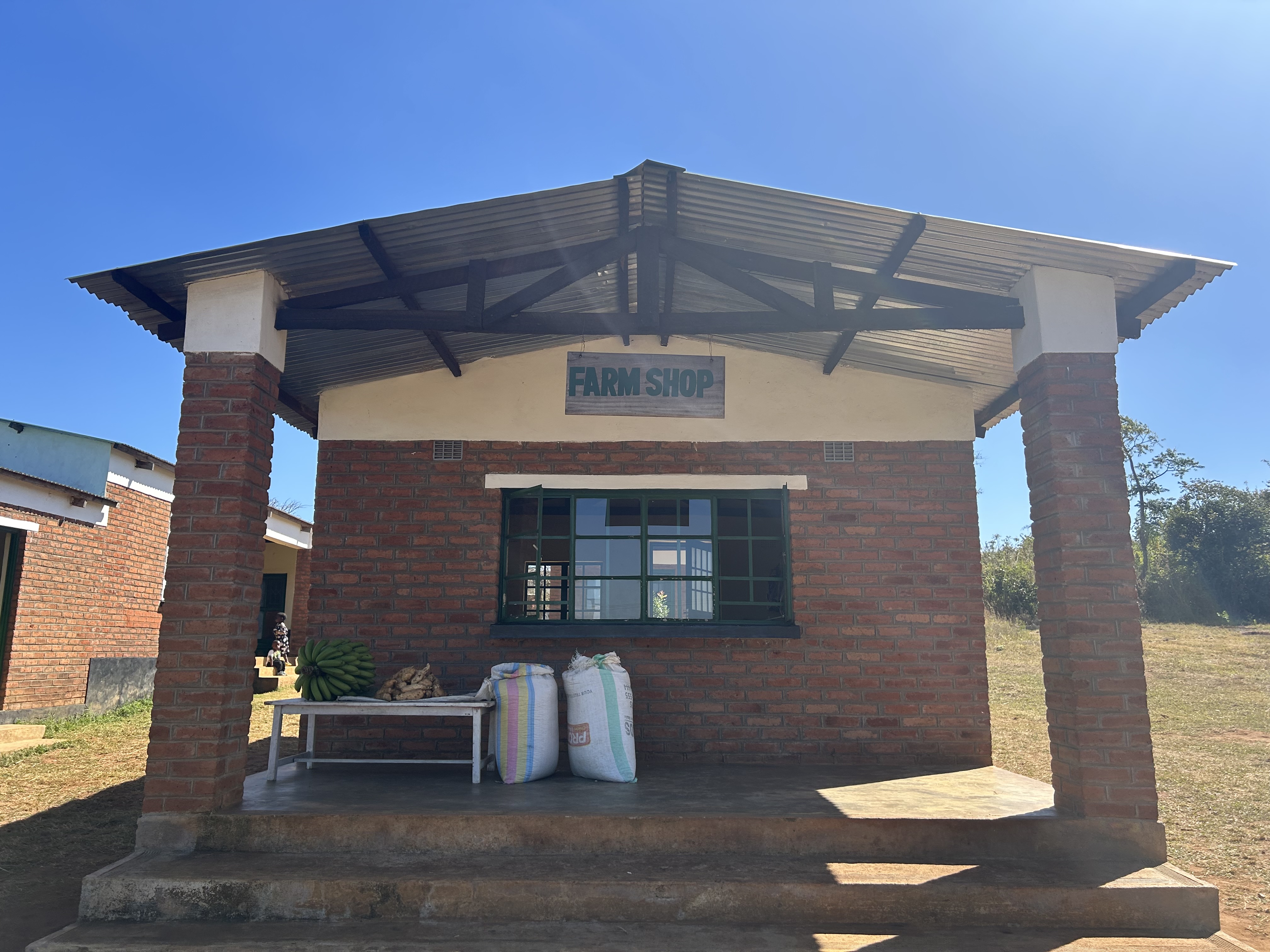
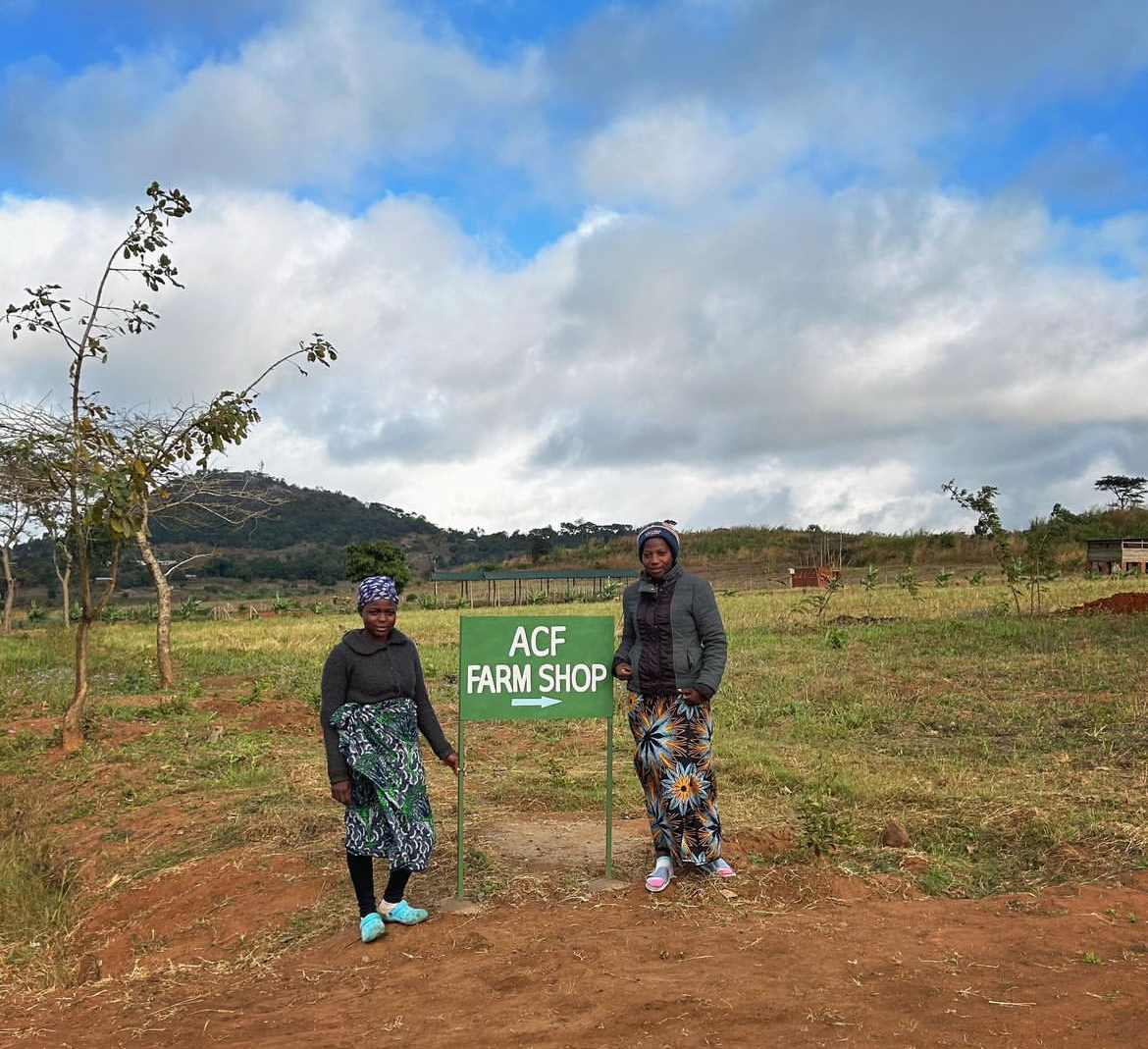
At Agricultural Community Foundation (ACF), the farm shop is more than a place to buy food. It is where our work comes full circle — from the soil, through member’s hands, and back into the community.

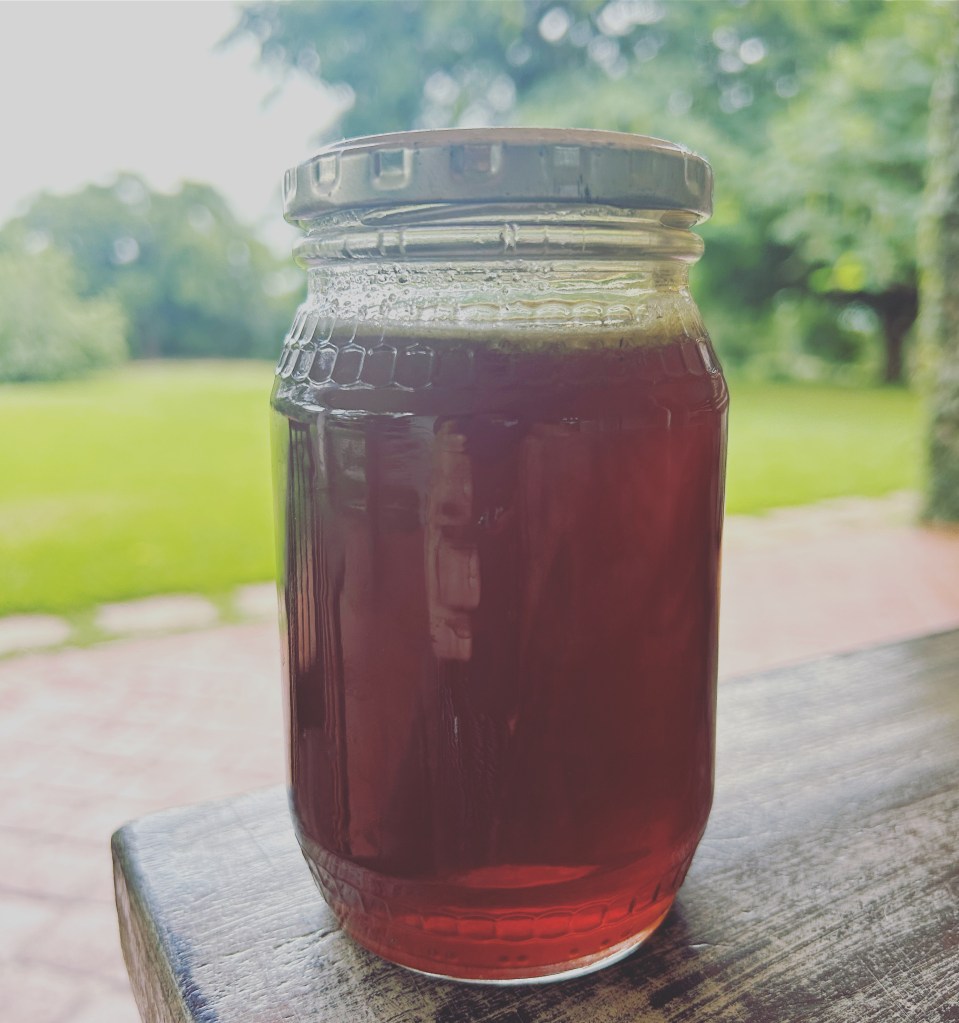
The shelves are stocked with fresh vegetables and fruits, eggs, and milk — all produced through ACF projects. We also offer locally produced honey, which sells out quickly.

Alongside these are basic household goods, making the shop a practical place for everyday needs. For those who work on the farm, the shop also offers goods on credit when needed — providing flexibility and peace of mind, and reflecting the trust and mutual support that sit at the heart of ACF’s community.
From Garden to Shop

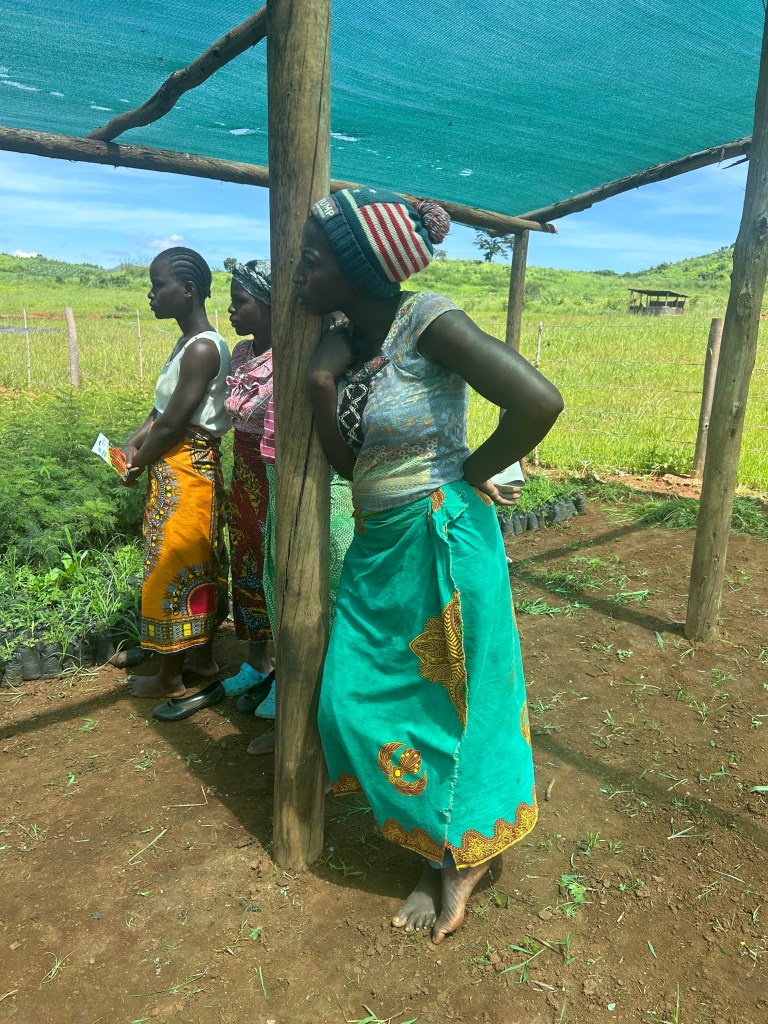
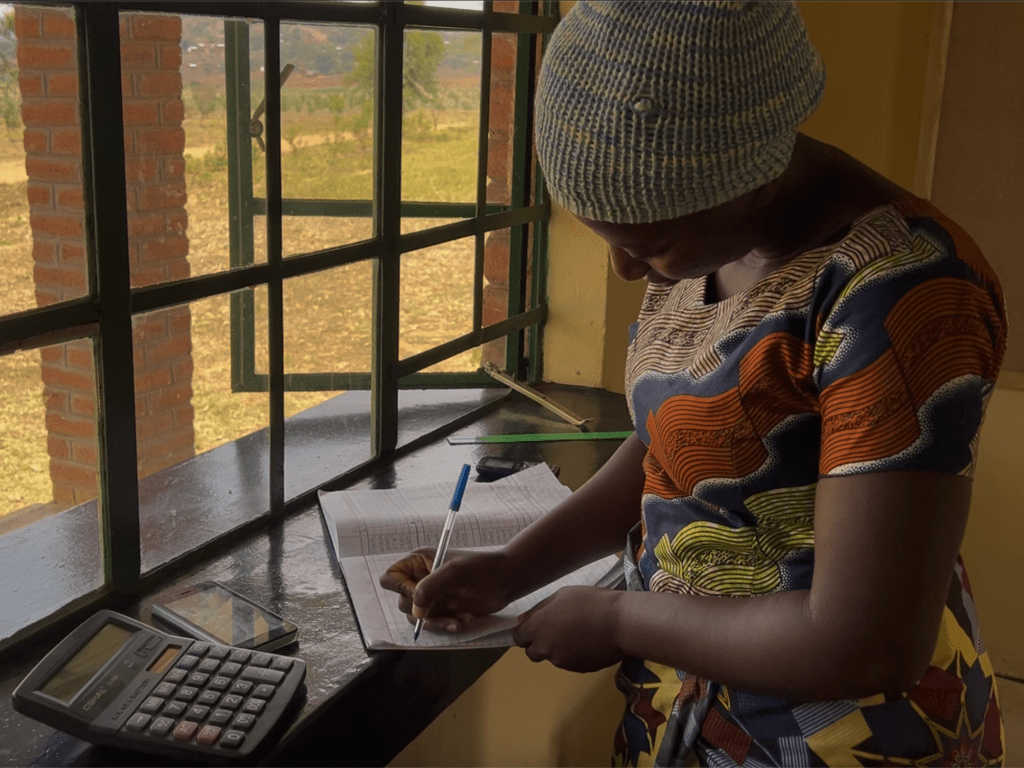
What truly makes the farm shop special is the opportunity it creates for women in the community. Mable’s story reflects exactly what the ACF farm shop is about. She started working with ACF in the garden, learning how to grow food, care for crops, and work as part of a team. Over time, she developed confidence, reliability, and practical skills.

Today, Mable proudly runs the ACF farm shop.

She manages stock, serves customers, keeps records, and ensures the shop operates smoothly day after day. Her journey from the garden to a leadership role in the shop shows how skills development and opportunity can transform lives — not through handouts, but through trust and responsibility.

Running a farm shop requires far more than selling produce. It involves customer service, pricing, hygiene standards, inventory management, and basic business operations. These are real, transferable skills that build confidence and independence.

For many team members, the farm shop is their first experience in a structured work environment. It provides income, and a pathway for personal growth — just as it has for Mable.
Fresh Food, Grown with Purpose

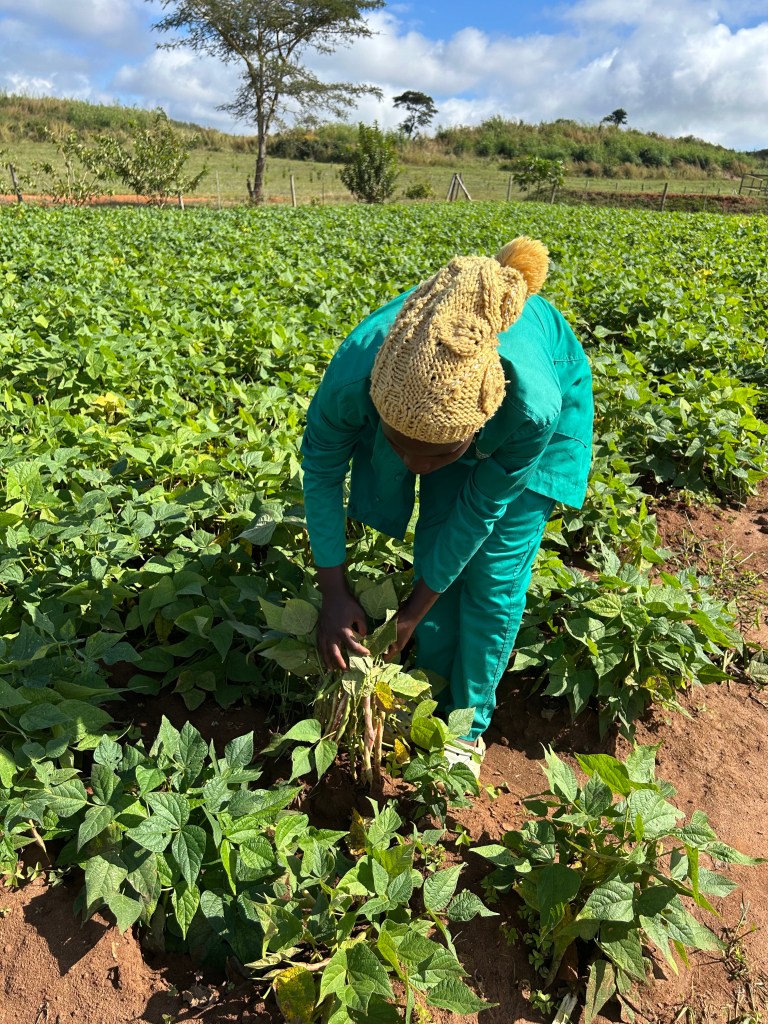
The produce sold in the farm shop comes directly from ACF-supported gardens and farms. Vegetables and fruits are harvested fresh, eggs are collected locally, and milk comes from ACF livestock projects. This short, transparent supply chain ensures quality, fairness, and freshness.

Customers know exactly where their food comes from — and that it supports sustainable farming practices and local livelihoods.

Every purchase made at the ACF farm shop supports a wider mission: sustainable agriculture, skills training, education, and long-term community resilience. Income generated helps fund future projects and ensures that ACF initiatives are built to last.

The ACF farm shop represents what is possible when agriculture, opportunity, and community come together. It is about fresh food, yes — but also about pride, progress, and people like Mable, whose growth reflects the heart of ACF’s work.

From the garden to the shop, from the farm to the table — this is how local change grows.
Scotland’s First Minister Meets ACF & SAM

Strengthening Partnerships for Malawi’s Economic Future

Last month, Scotland’s First Minister John Swinney met with representatives from the African Lakes Company (ALC), Agricultural Community Foundation (ACF) and Saint Andrews Macadamia (SAM) at Mandala House, one of Blantyre’s most historic landmarks.

Built in the early 20th century, Mandala House has long served as a cultural crossroads for Malawi — a meeting place for artists, entrepreneurs, diplomats, and visionaries. Its walls hold decades of conversation about Malawi’s growth, resilience, and identity, making it a fitting venue for a discussion centred on the country’s future.

A Meeting Focused on Shared Purpose

The conversation at Mandala House focused on one central theme:
how aid and trade can work together to unlock real, lasting opportunity for Malawi.

While Scotland and Malawi share a long history of cooperation, the meeting highlighted a shift toward investment-driven development — one that strengthens Malawian-owned businesses, creates jobs, supports rural communities, and encourages long-term self-sufficiency.

Topics discussed included:

  • Expanding regenerative agriculture and climate-resilient macadamia farming
  • Investing in women-led enterprises and rural micro-processing through ACF
  • Strengthening agricultural value chains (macadamia, honey, seedlings, composting)
  • Scaling local production that keeps value in Malawi
  • Creating dignified work and building skills that strengthen families and communities

ACF & SAM: Models of What Investment Can Achieve

The First Minister was briefed on how ACF and SAM operate as examples of trade-driven development, showing what is possible when investment is local, intentional, and community-focused.

Saint Andrews Macadamia (SAM)

SAM has transformed a former tobacco estate into a thriving macadamia operation:

  • 716 acres of orchards
  • A grafting nursery producing thousands seedlings annually
  • Steady employment for local families
  • Sustainable practices that restore soil, protect the environment, and encourage biodiversity through beekeeping and reforestation

Macadamia is one of Malawi’s high-potential export crops — drought-tolerant, high-value, and capable of bringing vital foreign currency into the country. Investing in such sectors strengthens Malawi’s economy from the ground up.

Agricultural Community Foundation (ACF)

ACF represents the social heart of this model:

  • Women-led projects in farming and future micro-processing
  • Training programs that build technical and business skills
  • A nursery school and community support initiatives
  • Diversified rural enterprises that create income beyond seasonal farming

ACF ensures that investment reaches the people who need it most — women and rural families — while building long-term resilience.

Why Investment Matters for Malawi

Malawi faces deep challenges: climate shocks, unemployment, limited industrial development, and dependence on fluctuating aid. For the country to grow sustainably, investment into Malawian businesses is essential — especially businesses that:

  • Create jobs in rural areas
  • Keep profits and skills within the country
  • Export value-added products
  • Build climate resilience
  • Empower women and youth
  • Strengthen local supply chains

Across the continent, countries that have grown fastest are those that have invested in productive industries, agriculture, and local enterprise.
Malawi has the talent, land, and determination — but requires committed investment partners who believe in trade, innovation, and community-led development.

The meeting at Mandala House highlighted that Scotland recognises this shift — and sees Malawian businesses like SAM and ACF as examples of what future development partnerships should look like.

Moving Forward

The conversation ended with a shared understanding:
Malawi’s future lies in empowering Malawians to build, own, and grow their economy. While aid can stabilise communities in difficult times; investment, skills, and sustainable enterprise are what lift families out of poverty permanently.

ACF and SAM remain committed to:

  • Growing regenerative agriculture
  • Expanding women-led small and medium enterprises
  • Strengthening value chains in macadamia, honey, and micro-processing
  • Creating dignified jobs
  • Improving community services and early childhood support
  • Keeping economic value in Malawi, where it belongs

The First Minister’s engagement with ACF and SAM reflects a powerful truth:
Malawi’s strongest asset is its people — their ideas, their resilience, and their capacity to build the country they envision. Partnerships that invest in Malawian businesses don’t just support the present — they transform the future.

Planting Beans and Sweet Potatoes for Healthy Soil

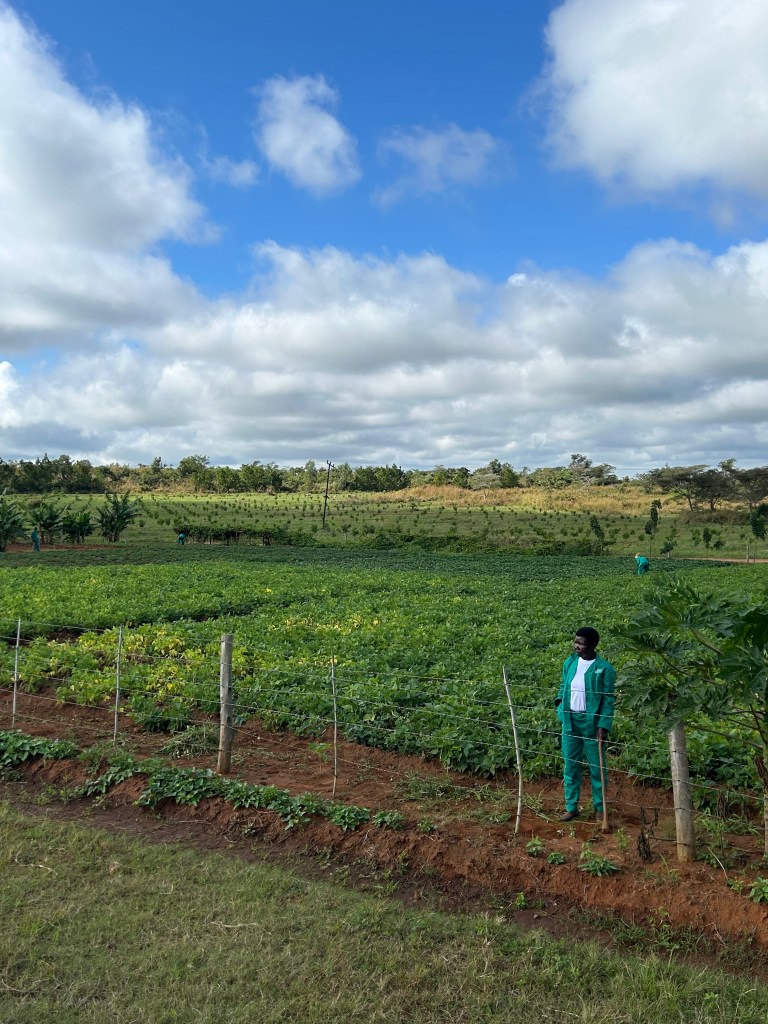
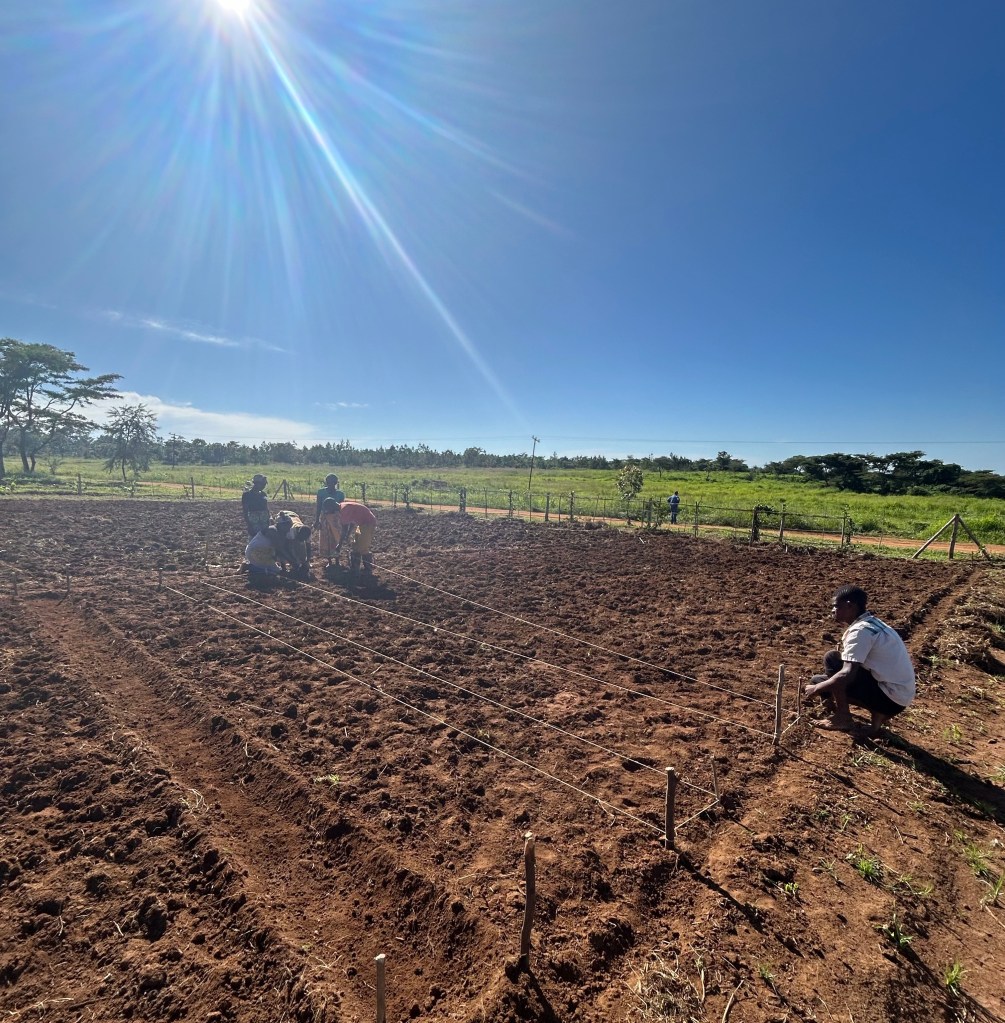
At the Agricultural Community Foundation, sustainability and empowerment go hand in hand. This past rainy season, our team planted beans and sweet potatoes across our micro-farm. These crops are doing more than filling fields—they are laying the groundwork for a flourishing vegetable garden in the coming spring while advancing our mission to uplift women in our community.

Restoring the Land: Nature’s Nitrogen Fixers

Beans are a remarkable ally in regenerative agriculture. As legumes, they naturally enrich the soil through nitrogen fixation, drawing nitrogen from the air and converting it into a form plants can use. This process reduces the need for synthetic fertilizers, improving soil fertility and structure in a sustainable way.

Sweet potatoes, meanwhile, help suppress weeds and protect the soil from erosion during heavy rains. Their dense leafy canopy shields the soil, retaining moisture and encouraging a thriving ecosystem underground. By planting these two crops together, we are creating healthier soils that will support a diverse vegetable garden when the rains subside.

Environmental Benefits
• Reduced chemical inputs: Nitrogen-fixing beans minimize dependence on synthetic fertilizers, lowering runoff pollution.
• Improved soil health: Increased organic matter and microbial activity will enhance yields over time.
• Climate resilience: Cover crops like sweet potatoes protect against erosion and help soils store more carbon.
• Biodiversity: Rotating crops supports pollinators and beneficial insects essential to our farm ecosystem.

Profits with Purpose

Beyond ecological gains, these harvests are fueling a greater goal. The proceeds from selling the beans and sweet potatoes will be reinvested into programs that empower women in the Namadzi community through skills training in sustainable farming.

Looking Ahead

As we prepare the soil for spring planting, we are inspired by how much can be accomplished when communities and nature work together. These fields are proof that regenerative agriculture is a powerful tool to heal land, grow food, and transform lives.

Brewing Prosperity at ACF

In the heart of Southern Africa, Malawi’s rich red soils and temperate highlands are proving fertile ground for more than just maize and tobacco. A quiet revolution is taking root—coffee cultivation—and the Agricultural Community Foundation (ACF) is hoping to be apart of it.

Why Coffee? Why Malawi?

Malawi, known as “the Warm Heart of Africa,” has long relied on subsistence farming and a handful of cash crops. However, changing climate patterns and market pressures have made diversification essential. Coffee offers a sustainable, high-value crop that thrives in parts of Malawi, including in Namadzi, where ACF is based.

Coffee farming not only fits the agro-ecological profile of Malawi’s upland areas, but also aligns with ACF’s mission to promote income generation for women, environmental stewardship, and rural resilience.

The Project: Planting Hope, One Seedling at a Time

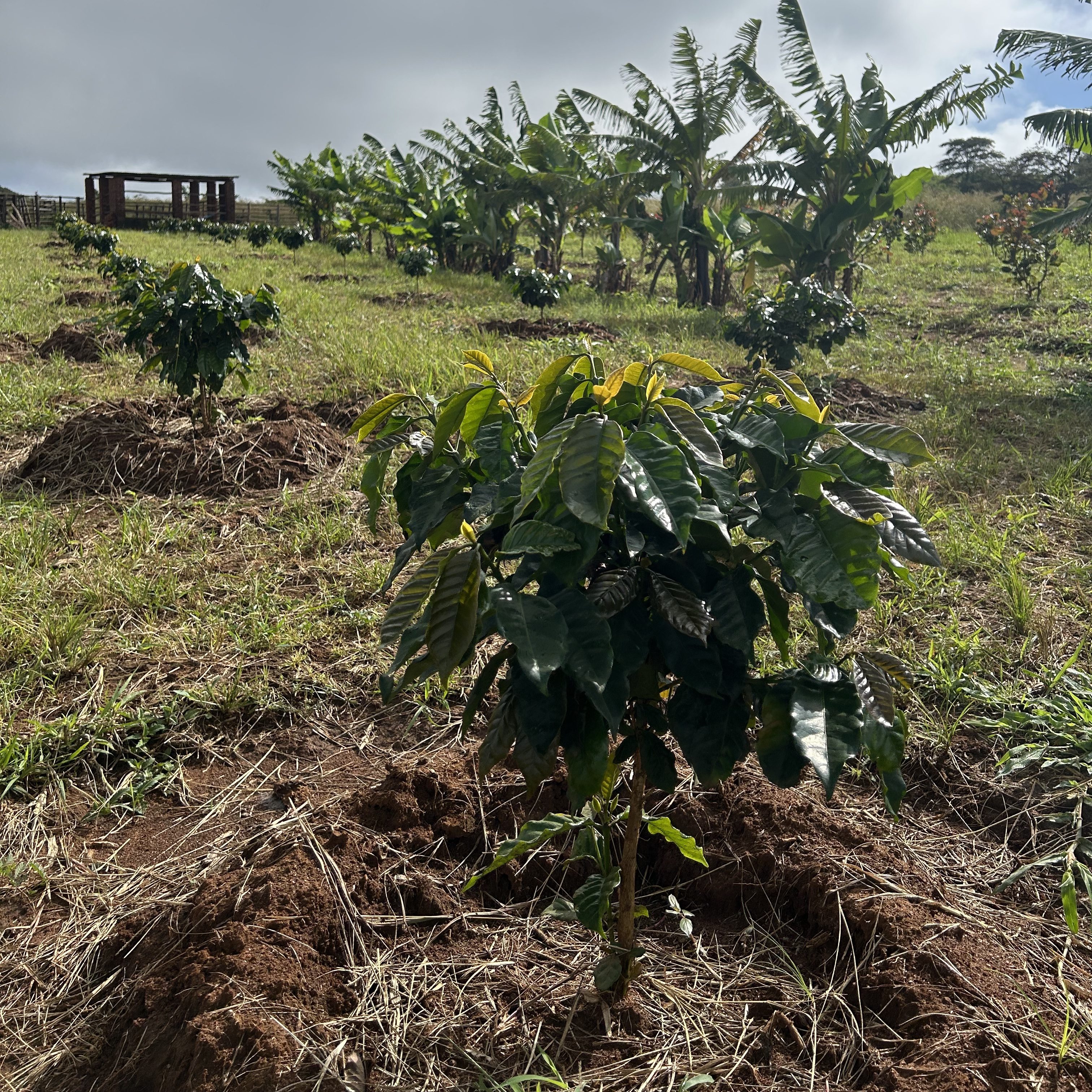
ACF’s coffee project is equipping local women with the training, tools, and seedlings needed to build a more sustainable future with hopes to set up a small coffee processing plant to sell value-added products once coffee plants begin producing green beans in three years.

Coffee is not just a profitable crop—it’s a climate-smart one. Grown under shade trees, it contributes to reforestation, soil conservation, and biodiversity. ACF’s model promotes intercropping coffee with bananas, beans, and indigenous trees, ensuring year-round income and ecological balance. Coffee also pairs well with another ACF project, cashew trees.

Challenges and the Road Ahead

Of course, challenges remain: climate unpredictability, limited access to finance, and infrastructure gaps. But ACF is working hand-in-hand with Saint Andrews Macadamia and other local organizations to grow and learn in this new project.

With each season, the buzz around Malawian coffee grows louder. From seedlings to exports, the journey of coffee is helping to reimagine what rural development can look like.

Next time you sip a cup of coffee, think of the female agripreneur in Malawi, working together through the Agricultural Community Foundation to build a more sustainable and equitable future. This is more than a drink—it’s a story of resilience, empowerment, and community.

Fish Farming Success

It is time to restock ACF’s fish pond after last season’s successful harvest. At the end of 2023 ACF embarked on a new project to build a fish pond and raise fish for profit.

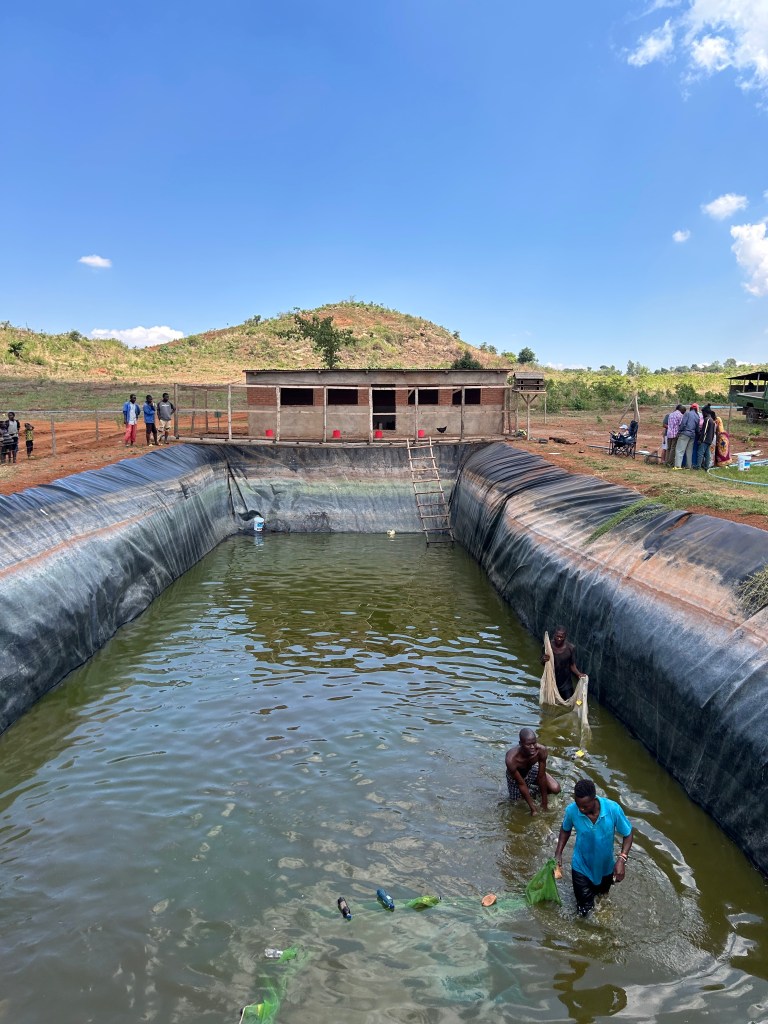
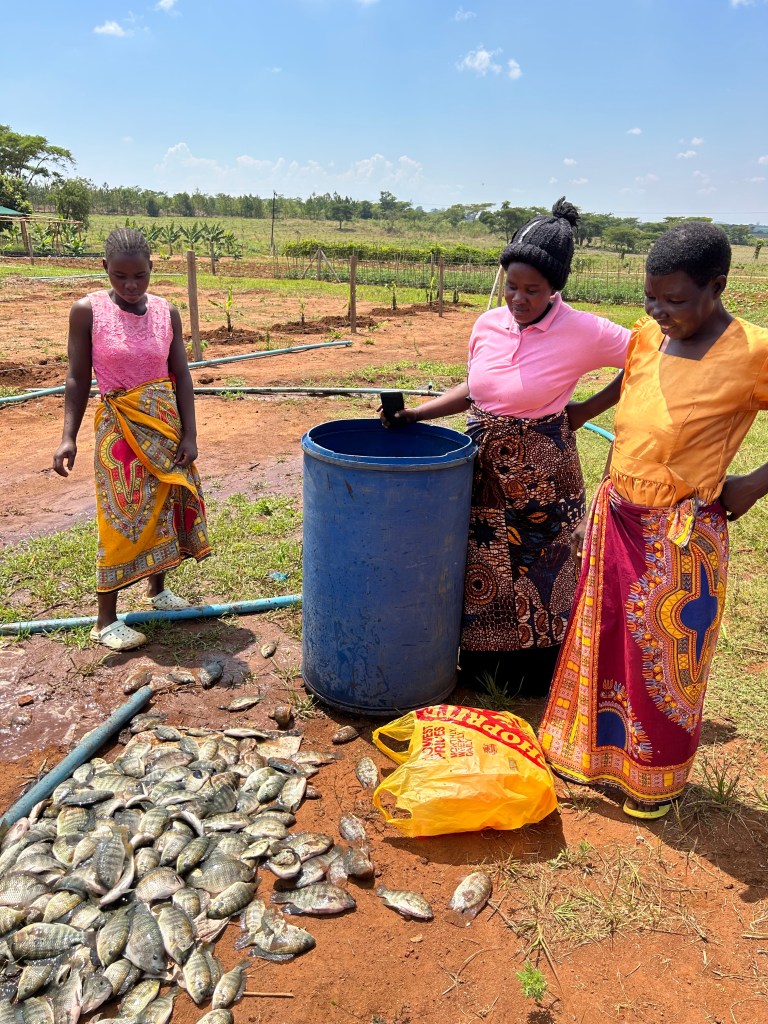
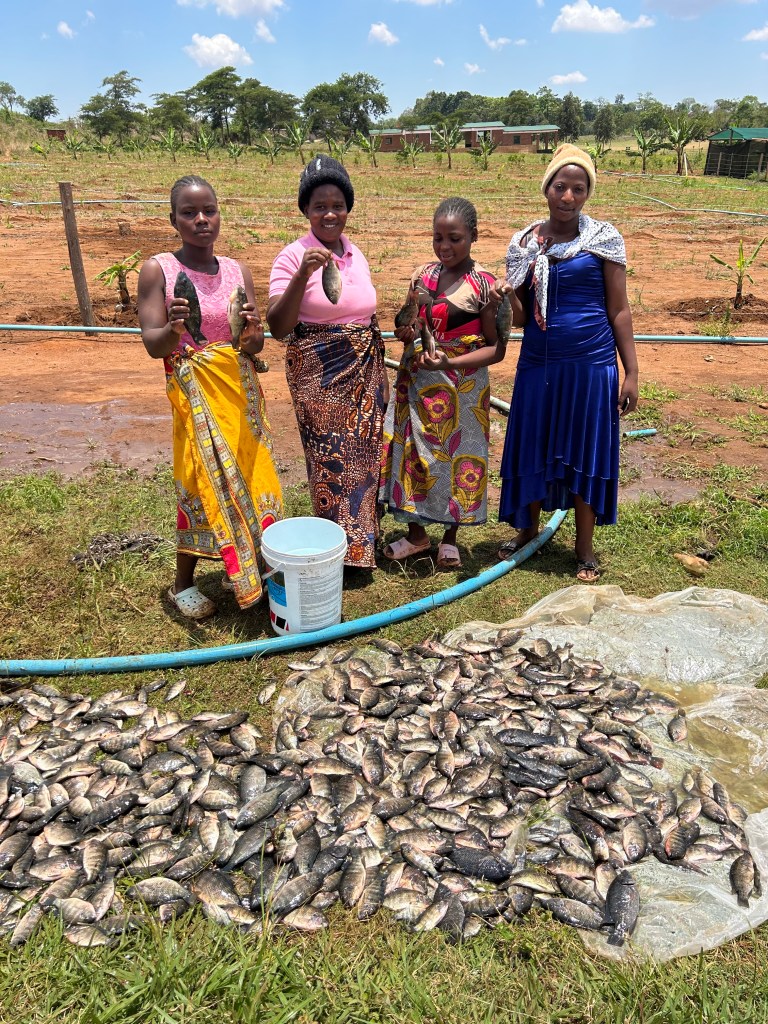
At first, fish farming was a challenge for ACF’s members as none of them had experience caring for fish. But with some training and hands-on learning it proved to be one of ACF’s most popular projects last year. The ACF team was pleasantly surprised at the size and amount of fish they produced in the last 10 months.

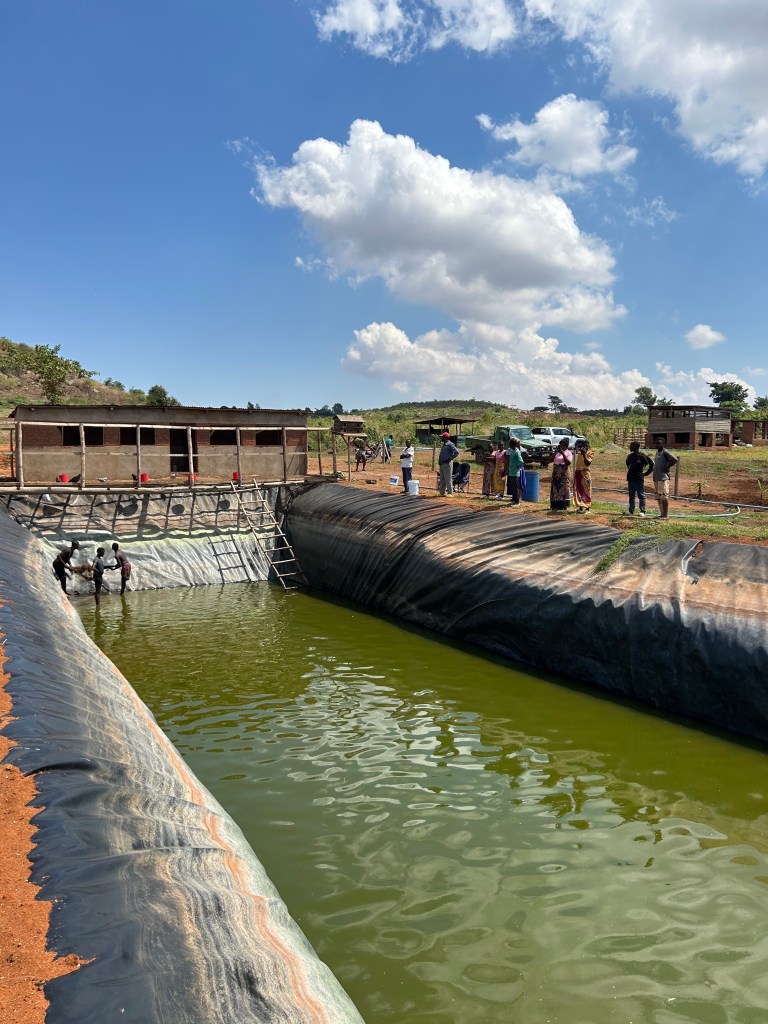
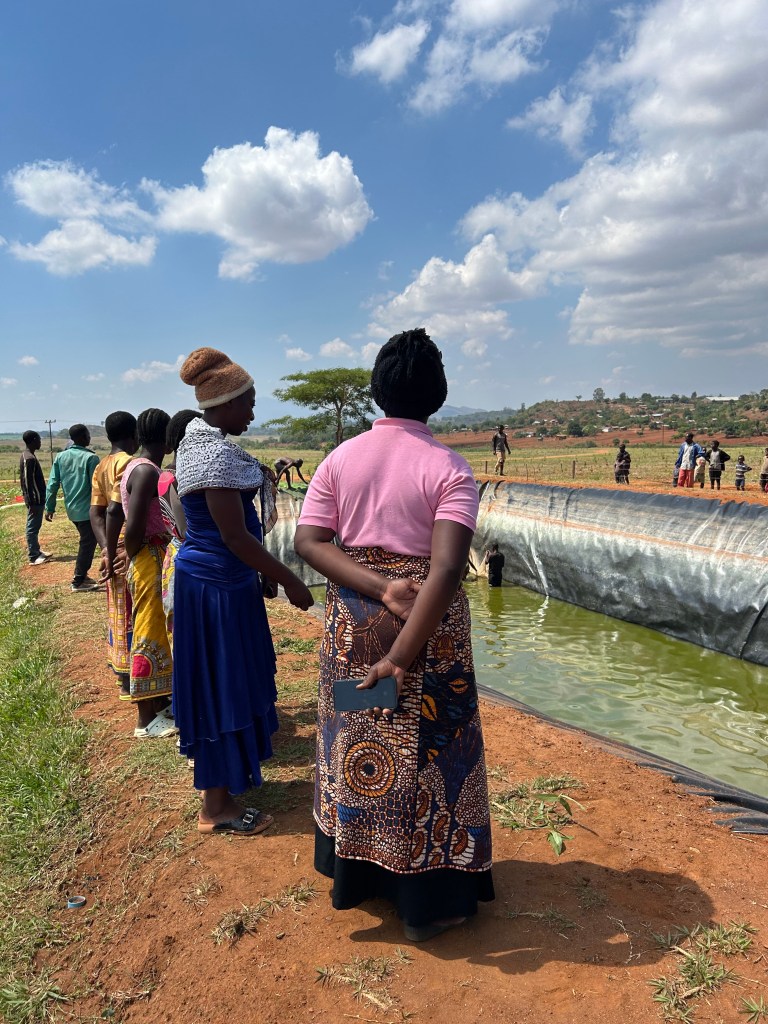
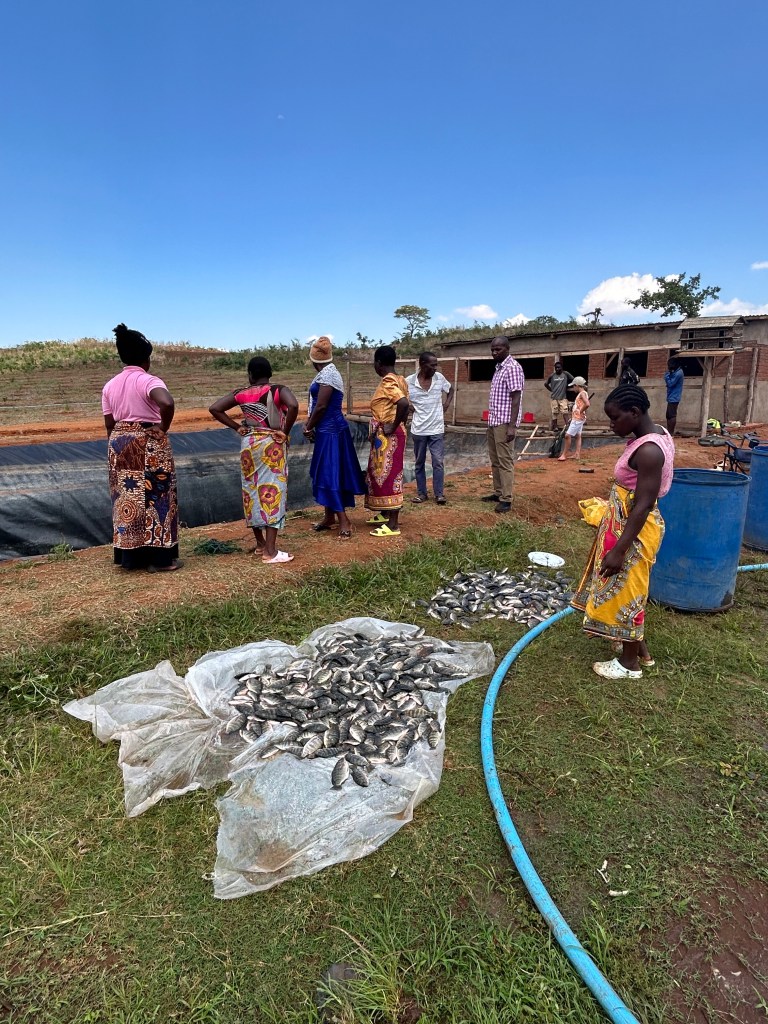
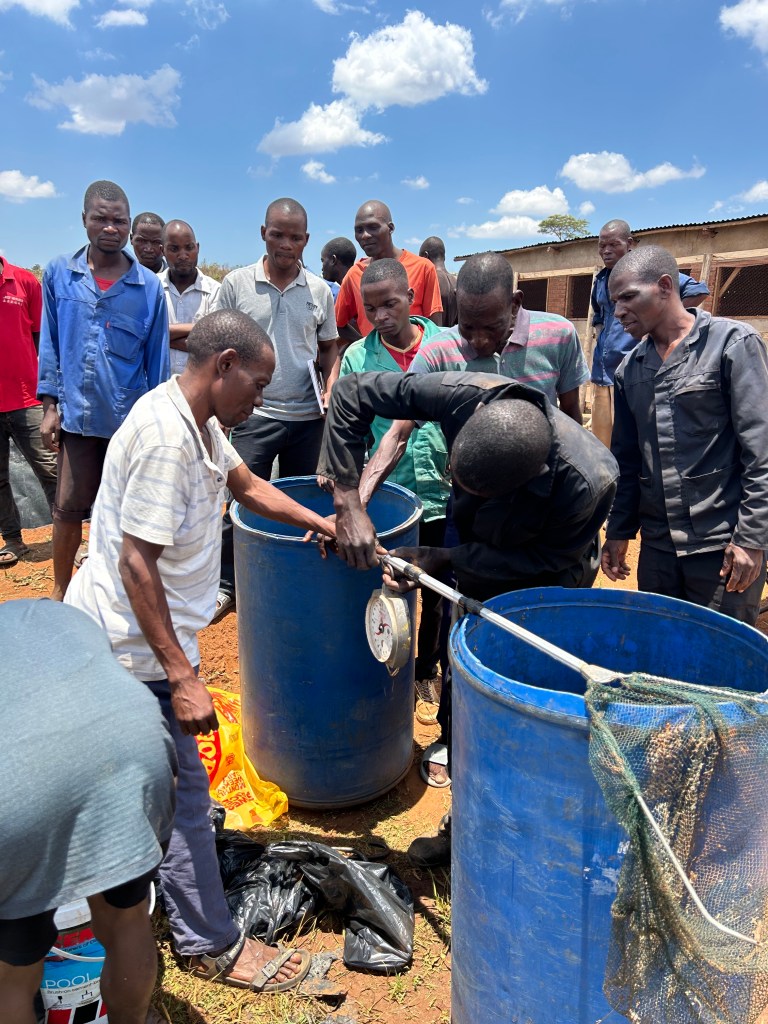
After an exciting day netting and draining the fish pond; the fish were weighed and sold. All the action at the fish farm caught the surrounding village’s attention with many onlookers coming to see what was happening at the farm. Fresh fish in Namadzi is rare and the entire harvest was sold in a day.

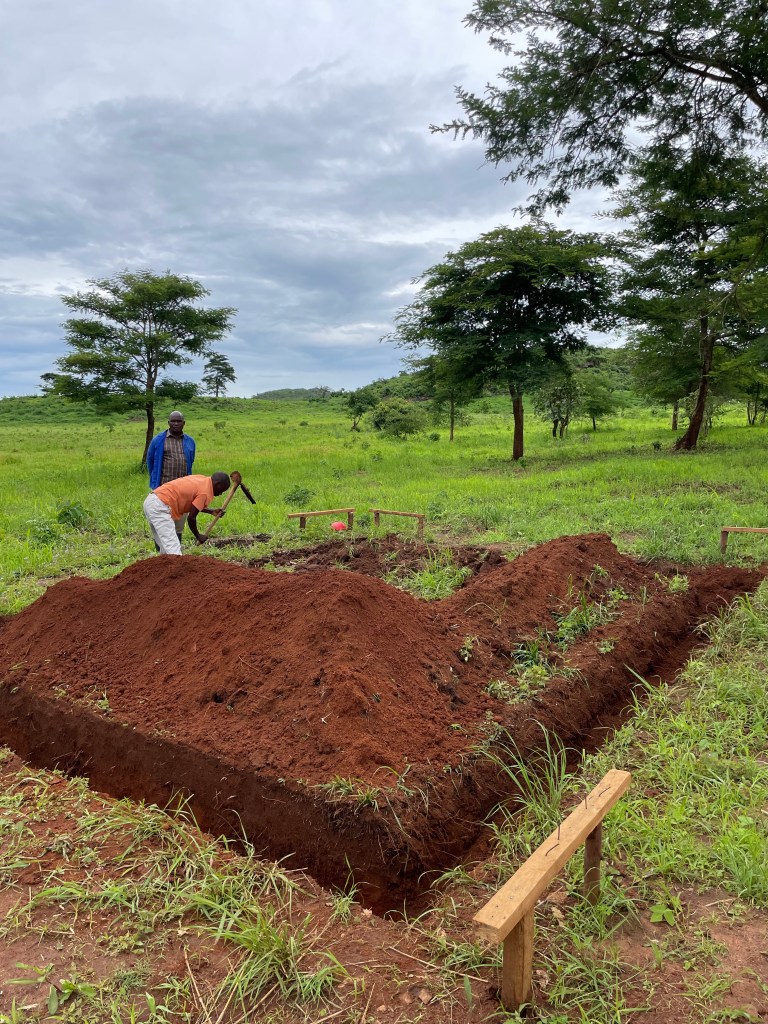
The pond is also used as a water reservoir for ACF’s garden. Water has been an ongoing problem at the farm, due to broken pipes and power cuts.  Often we had to rely on water tanks on tractors to water our garden, seedlings and animals. This large water reservoir makes the farm self-sustainable and provides a constant supply of water. Also the extra nutrients from the fish waste creates natural fertilizer for our vegetable garden and seedlings.    

An ACF goal is to support circular agriculture. To do this ACF built a chicken coop for layers that is integrated with our fish pond.  The chicken coop was built over one side of the fish pond.  This allows chicken manure and feed waste to fall into the pond and provide food for the fish, forming a mutually beneficial relationship.   

This week ACF’s members are restarting with 3000 fingerlings and hope to build on the knowledge they have gain in fish farming the last year.

Welcoming Cows to ACF

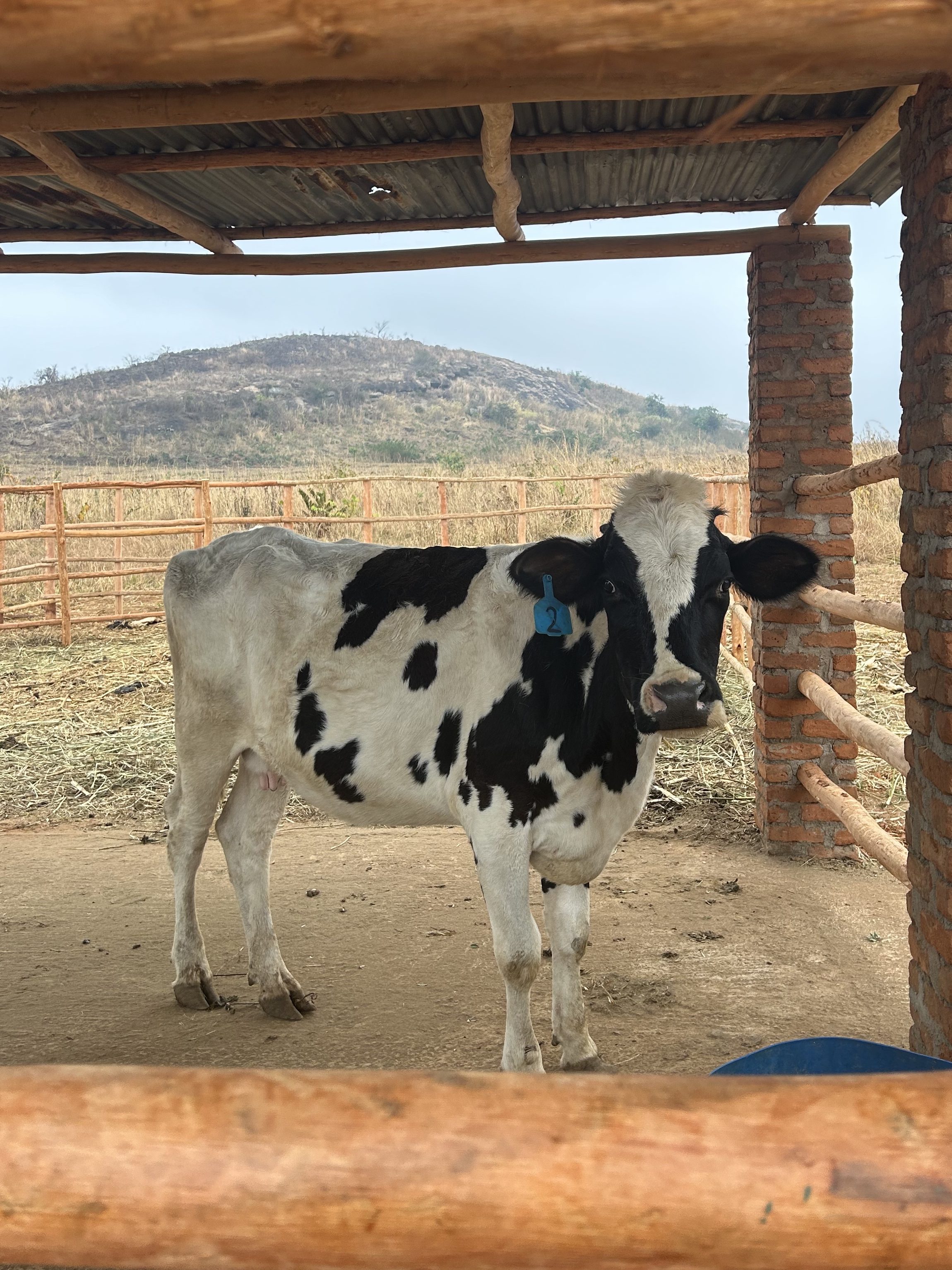
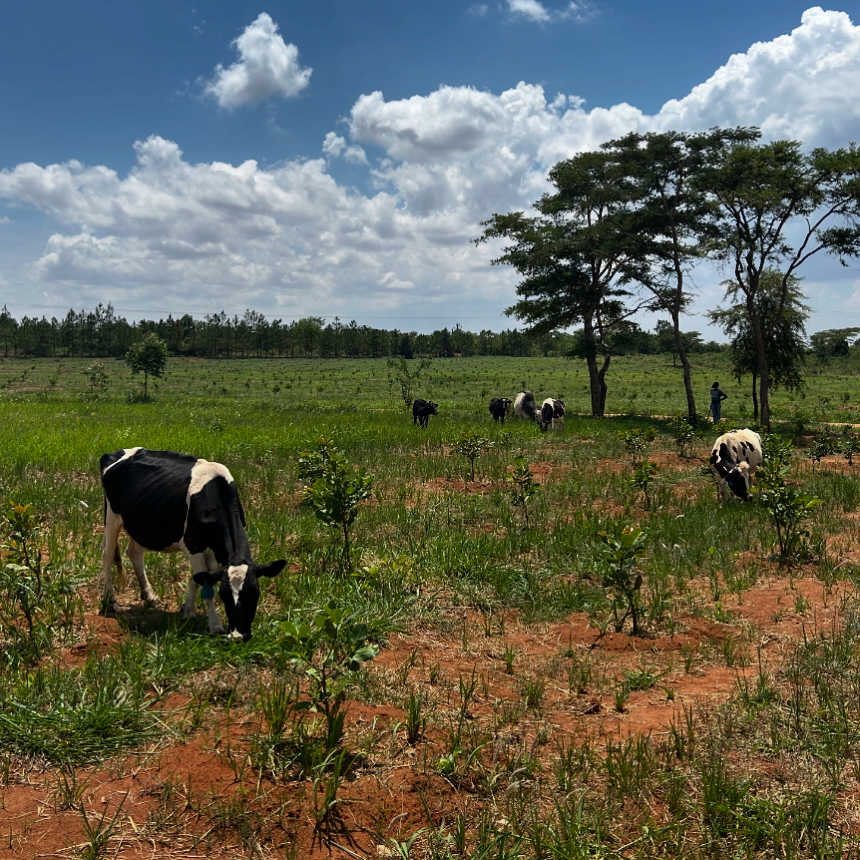
The ACF family is growing with the addition of dairy cows to the farm. ACF’s dairy project is designed to give members first hand training and experience caring for cattle and producing milk that will be sold in the farm shop and supply the nursery school’s morning meals. Sales from the milk will be invested directly back in to ACF projects.

The second phase of the project is; as cows begin to have calves trained members will be given their own calf to care for in the village. This will give members an independent source of income. Once a member’s cow has a calf, that calf will be passed on to another member. Furthermore, the ACF’s dairy cow project will improve local cattle genetics in the village.

Graduation Day

Last month ACF saw 24 students graduate from its nursery school. The graduates will attend primary school in September with a head start knowing their letters, numbers and some english . Currently, there are 78 students, aged three to five, at ACF’s nursery school. Students receive daily breakfast and lessons. Starting as a small farm nursery program five years ago, the school quickly outgrew its small office/classroom. ACF members decided to lend their meeting room for morning classes for the school with hopes that a dedicated nursery school will be built in the future. The nursery school allows mothers the opportunity to work at ACF or at Saint Andrews Macadamia.

One year of ACF

It’s been an eventful first year at ACF. Our few acres have been busy with construction work, planting and planning. As we build ACF from the ground up our core team of five women have developed new ideas and projects.

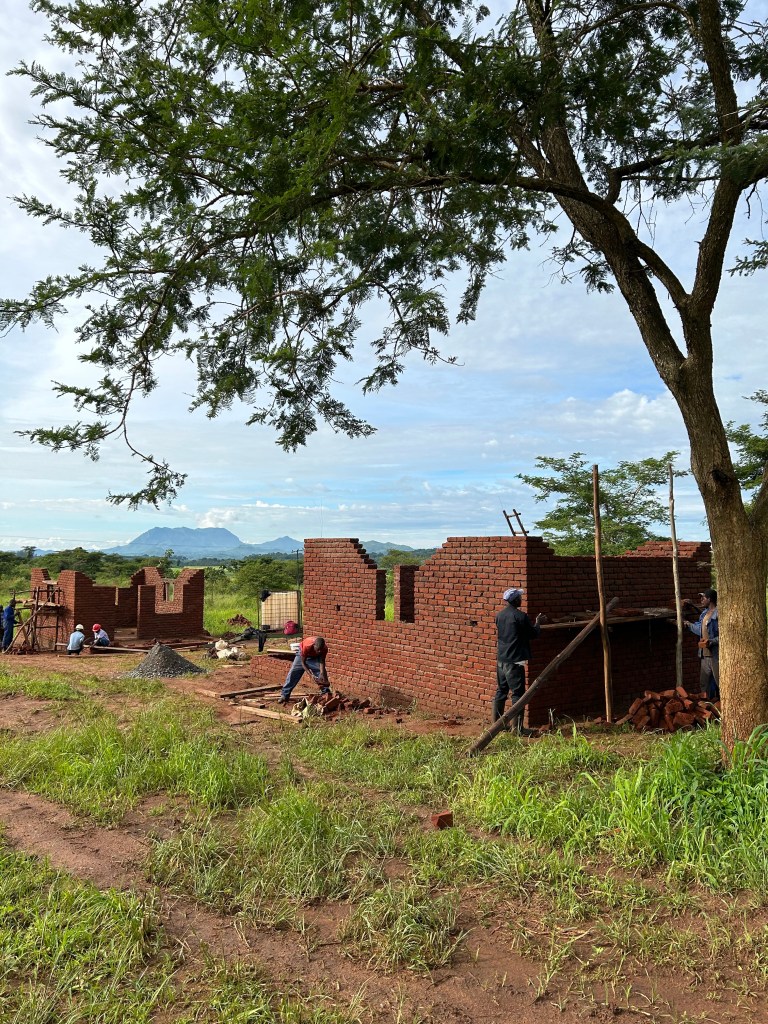
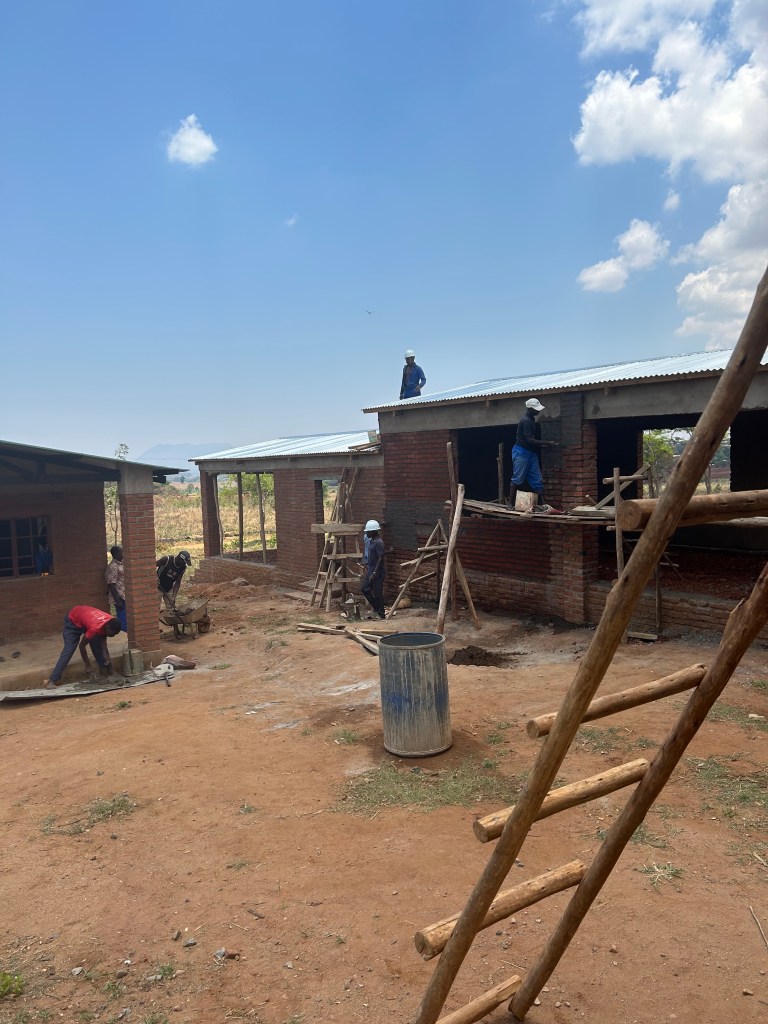
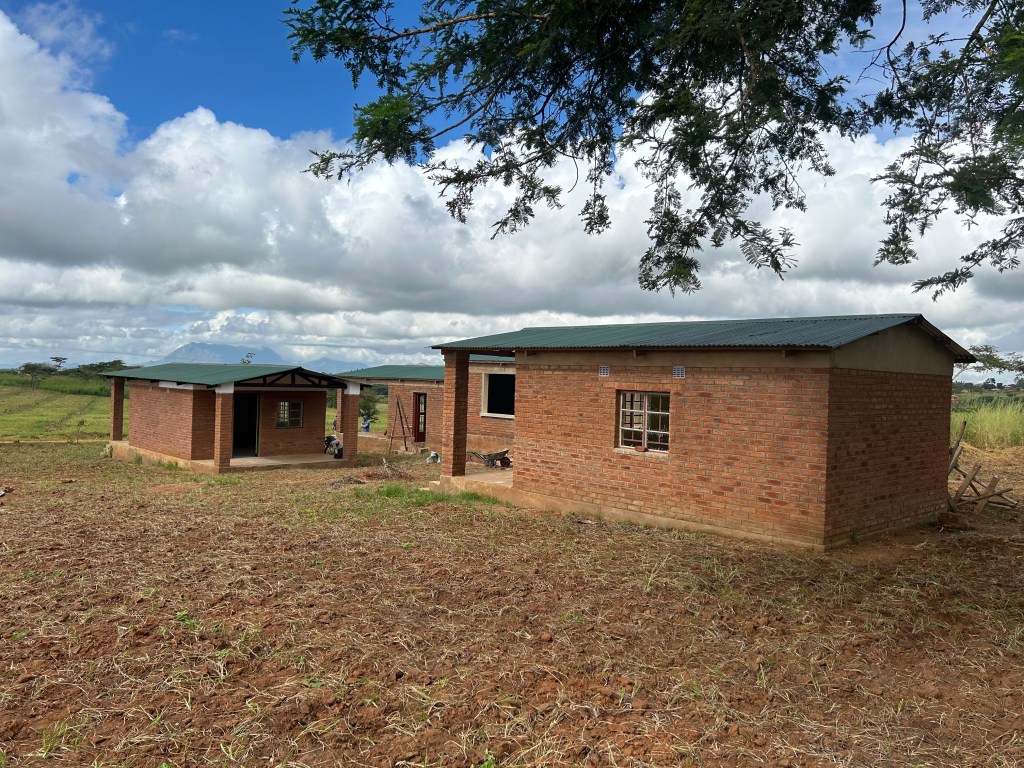
Finishing touches are being made to our farm shop, office and meeting room. As well as our water reservoir that will be used as a fish pond with an integrated chicken coop.

Away from the bricks and cement, ACF’s founding members have been busy working on the seedling nursery- now ACF has hundreds of indigenous tree seedlings for sale, vegetable garden- which has produced three harvests, fruit tree orchards, bee apiary and caring for livestock.

While ACF’s first year was full of achievements, we also faced many great challenges. From floods to drought ACF had to adapt and replan over and over again. it has been a learning curve for our members taking on new projects, such as beekeeping, planting new crops and trees and learning new regenerative farming methods.

This year members will continue to grow ACF’s current project, with focus shifting to profits, while expanding on new projects. Excitement is in the air as many ideas and projects are being planned, including a nursery school, tailoring shop, hydroponics and bakery.

Adding some spice to the garden

ACF’s garden has been thriving with two harvests of juicy tomatoes, onions, cabbages and rape. These vegetables are staples in Malawian diets. The harvests were quick to sell on the farm but at low value. Most of ACF members have been growing these vegetables since they were children.

To increase ACF’s revenue through its vegetable garden, members brain stormed new crops that could be sold at a higher value. Chilies and garlic were the clear winners.

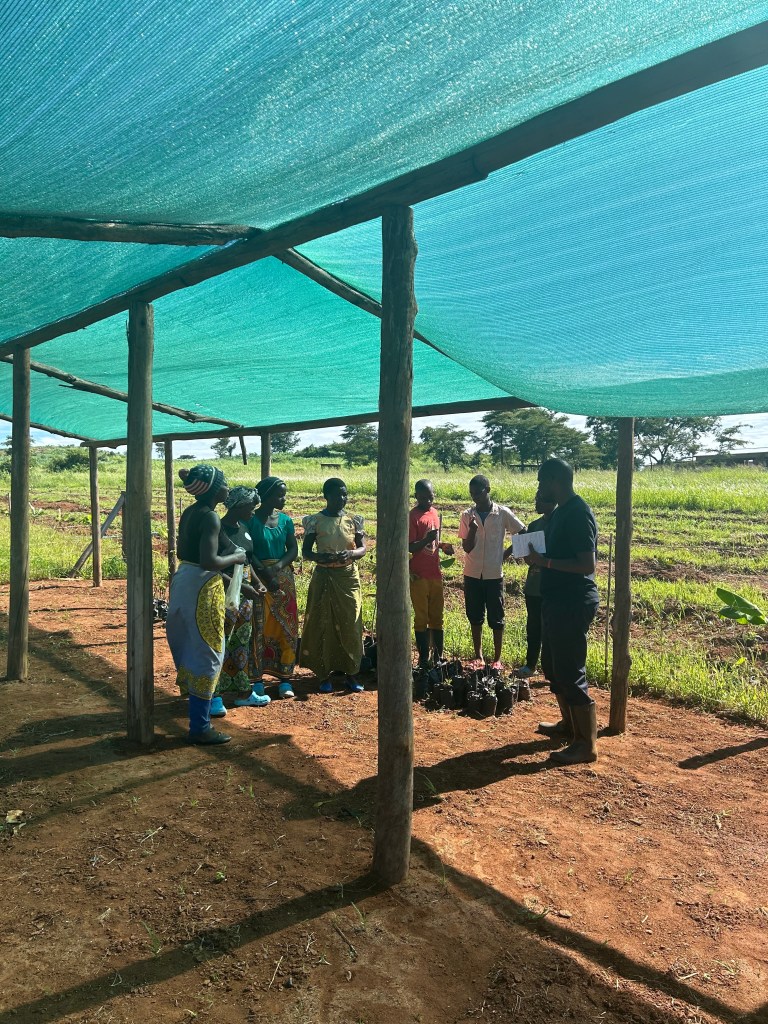
ACF members attended workshops on the farm to learn how to plant and care for these new spices. Both, chilli and garlic seeds were planted in ACF’s tree nursery in pots, once they grow into seedlings they will be transplanted into our garden to continue to grow. The chilli plants should produce for three years.

Another benefit of planting chilli and garlic is both have a longer shelf life, especially when dried out. We are hoping for an extra spicy year in ACF’s garden as members grow these new spices.

First Honey Harvest

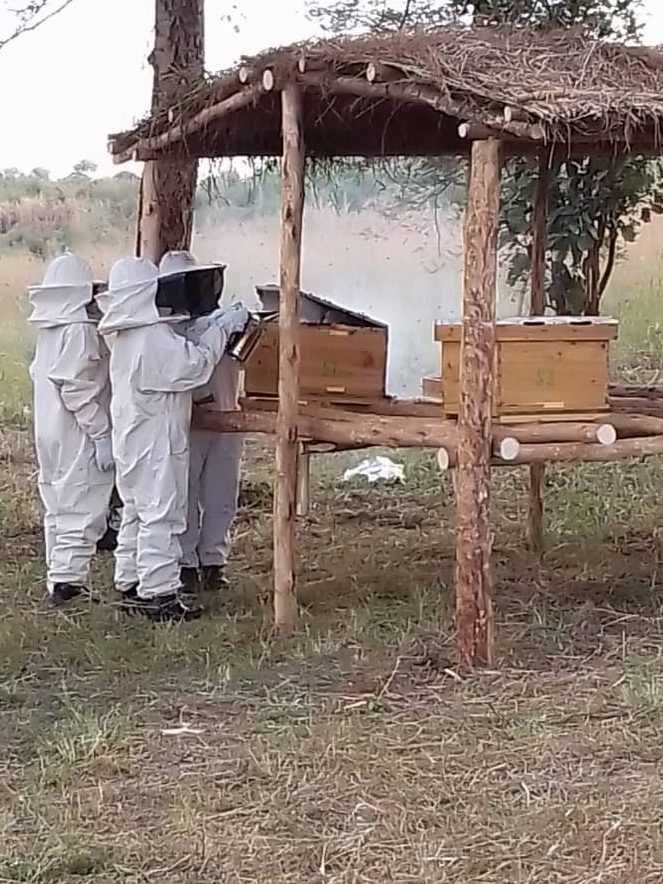
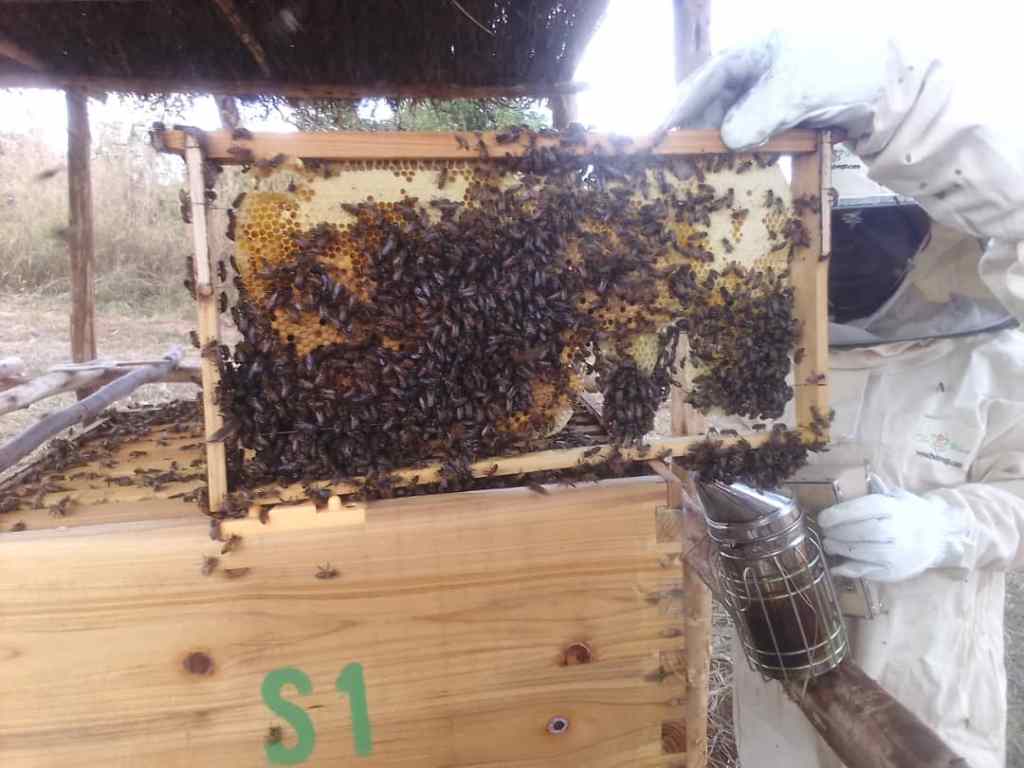
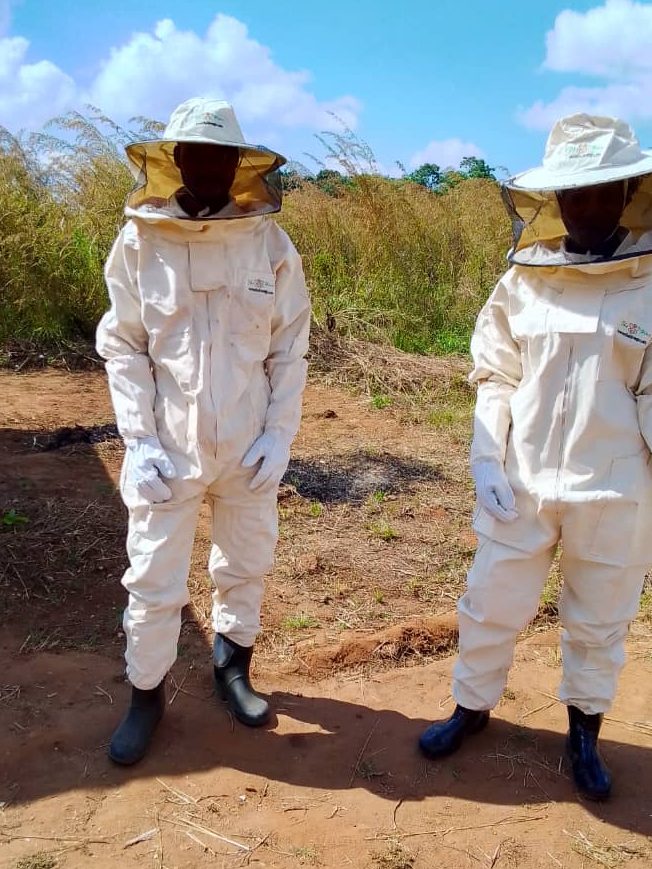
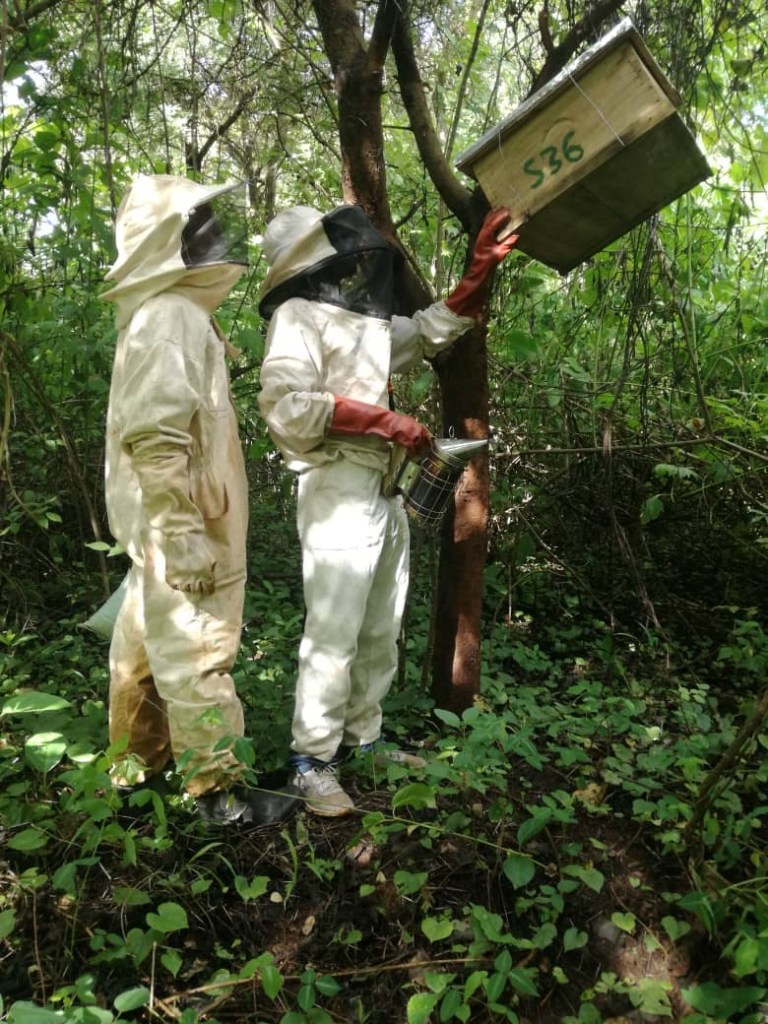
ACF was a buzz with its first honey harvest this week. None of ACF’s members had worked with bees before, so the process of setting up the hives, working with the bees and harvesting honey was a huge learning curve for us all.

Through a series of trainings ACF learnt each step of beekeeping. Finally, a year later we reached the last step, honey production.

Beekeeping was ACF’s first project for a couple reasons. Located on a macadamia estate, bees were essential to pollinate the surrounding trees. The difference between the nut productions on trees near ACF’s apiary and those further away is incredible. Macadamia trees surrounding the apiary are full of nuts.

It was also important that members would learn a new skill. Beekeeping needs hours of training and practice and setup costs are high. Most ACF members wouldn’t have the opportunity to learn beekeeping skills without the foundation’s support. Hopefully, these skills will make it back to the ACF’s women’s community and continue to raise profits for them.

Finally, honey is a high value product that will be sold to raise funds for ACF’s projects.

ACF will continue to grow its sweet business with more hives and jars of honey in the near future.