A Water Problem

Water at ACF has been our biggest challenge. During ACF’s first year we had floods followed by drought. Last year saw Cyclone Freddy dump unprecedented rains on ACF’s garden destroying our first planted crops, damaging roads and buildings that were under construction.

This year, el Nino has cut the rainy season and left our soils bone dry. The lack of rain has meant our garden, fruit trees and livestock have been reliant on extra watering.

This uncertainty of access to water has been at the forefront of ACF’s planning. We tried to drill a borehole near the site of our farm but didn’t hit water. As we thought of plan b we use tractors to move tanks of water to keep our trees, plants and animals alive.

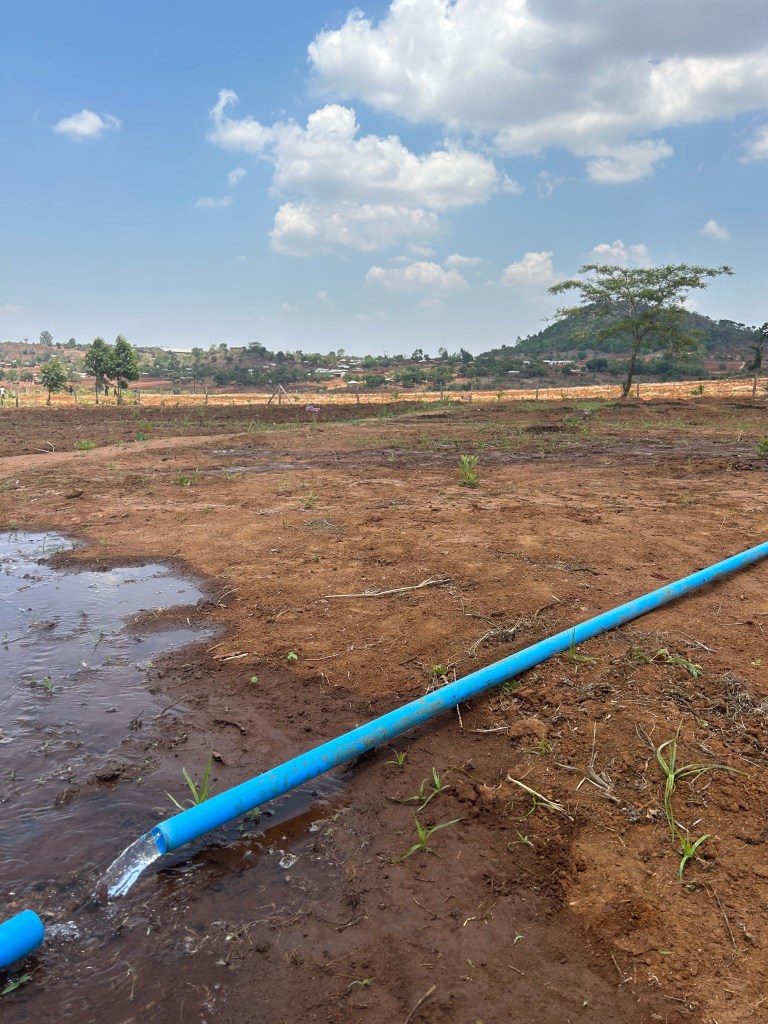
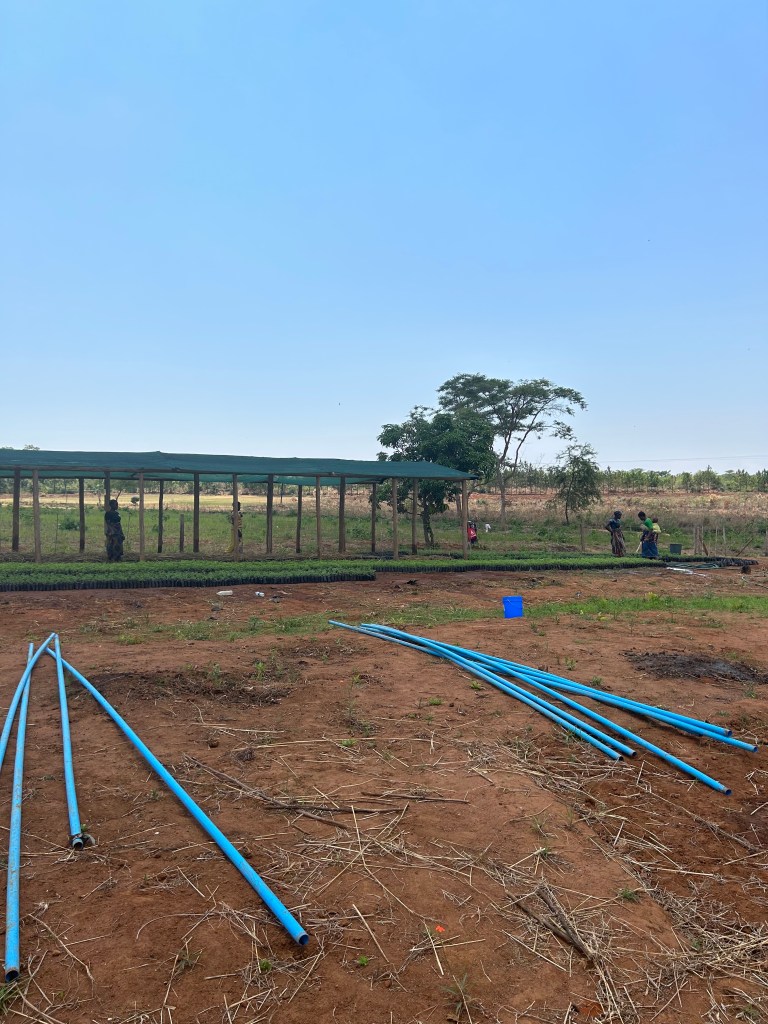
After some rebuilding we set up pipes so the foundation would have access to water. These pipes were a great relief but they were unreliable with breakages or power issues to our pump.

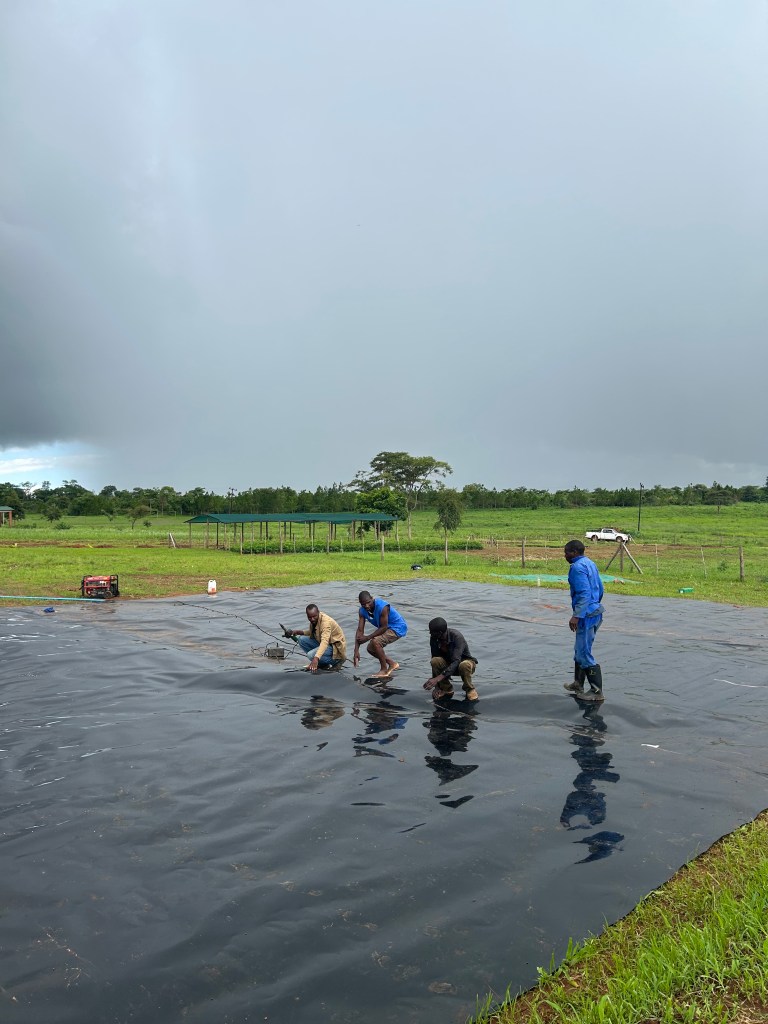
To solve our water issues we decided to build a reservoir at the foundation in case of emergency water cut offs. The reservoir will also be used as a fish pond for another source of revenue. Another benefit will be the waste the fish produce will add extra nutrients to the water that we will water our garden and trees with. Now with water flowing into our farm and a backup system being built ACF plants and animal life can thrive.
Inspired Micro-Farm

Today sustainable agriculture is a popular concept in farming, although it can mean many different things. At ACF we used words like sustainable, green and regenerative to describe what we wanted to accomplish within our various projects. But we were unsure how exactly to implement them. Then we stumbled across Emma Naluyima, a farmer in Uganda, who is running a profitable small farm using a a circular food system. Naluyima’s farm design seemed like a perfect fit for ACF.

The average farm size in Malawi is 0.7 hectares and about 60% of smallholder farmers cultivate less than 1.0 ha of land. We wanted to maximize production on our land by using new and more efficient and environmentally friendly agricultural techniques and methods. In hopes what works with our design and methods could be copied and pasted to other smallholder farms.

Our team was inspired by Naluyima’s farm, especially how each section of the farm was integrated with the other. Be it composting, manure, hydroponics, fish farming, rotating crops and livestock a balance is made throughout the farm with nothing wasted.

ACF offers the chance to experiment with new crops and farming practices to see what is profitable in Malawi and what might not. In hopes surrounding farmers will see ACF and take ideas and practices from our small farm to theirs.

Check out some other videos of circular food systems in Africa. They offer some great inspiration.

Fruitful beginnings

When the first visions of ACF were coming into fruition blooming trees were at the forefront of its plans. A cashew orchard running a long the middle of farm, banana tress along its waterways and fruit trees along the fence line.

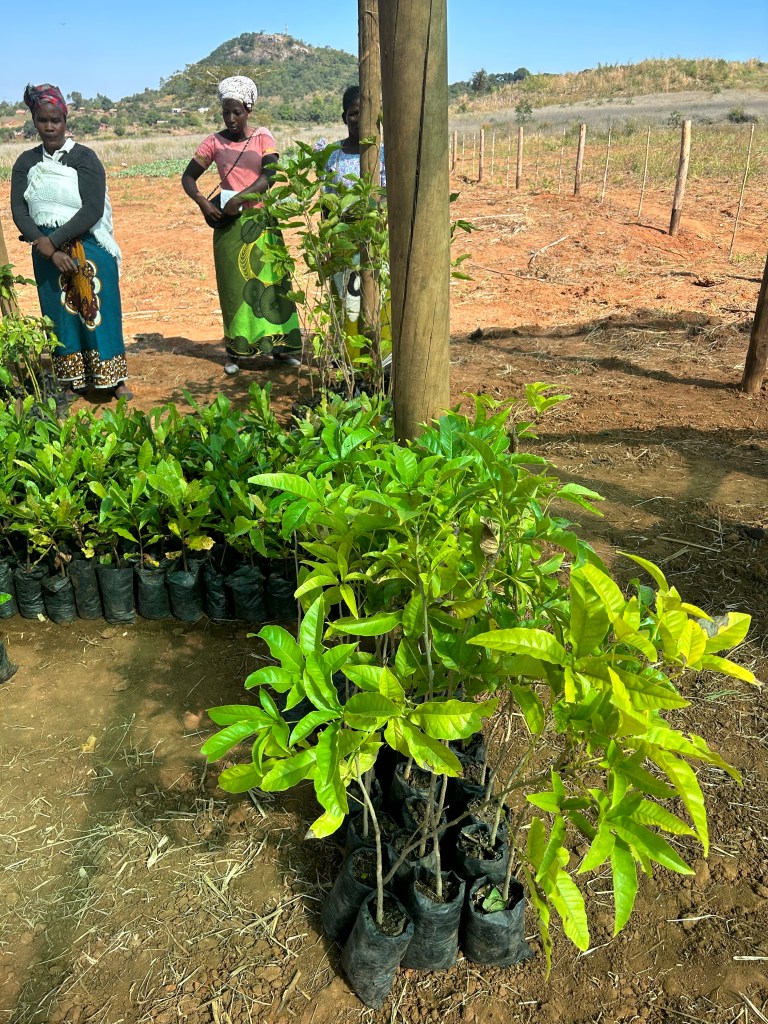
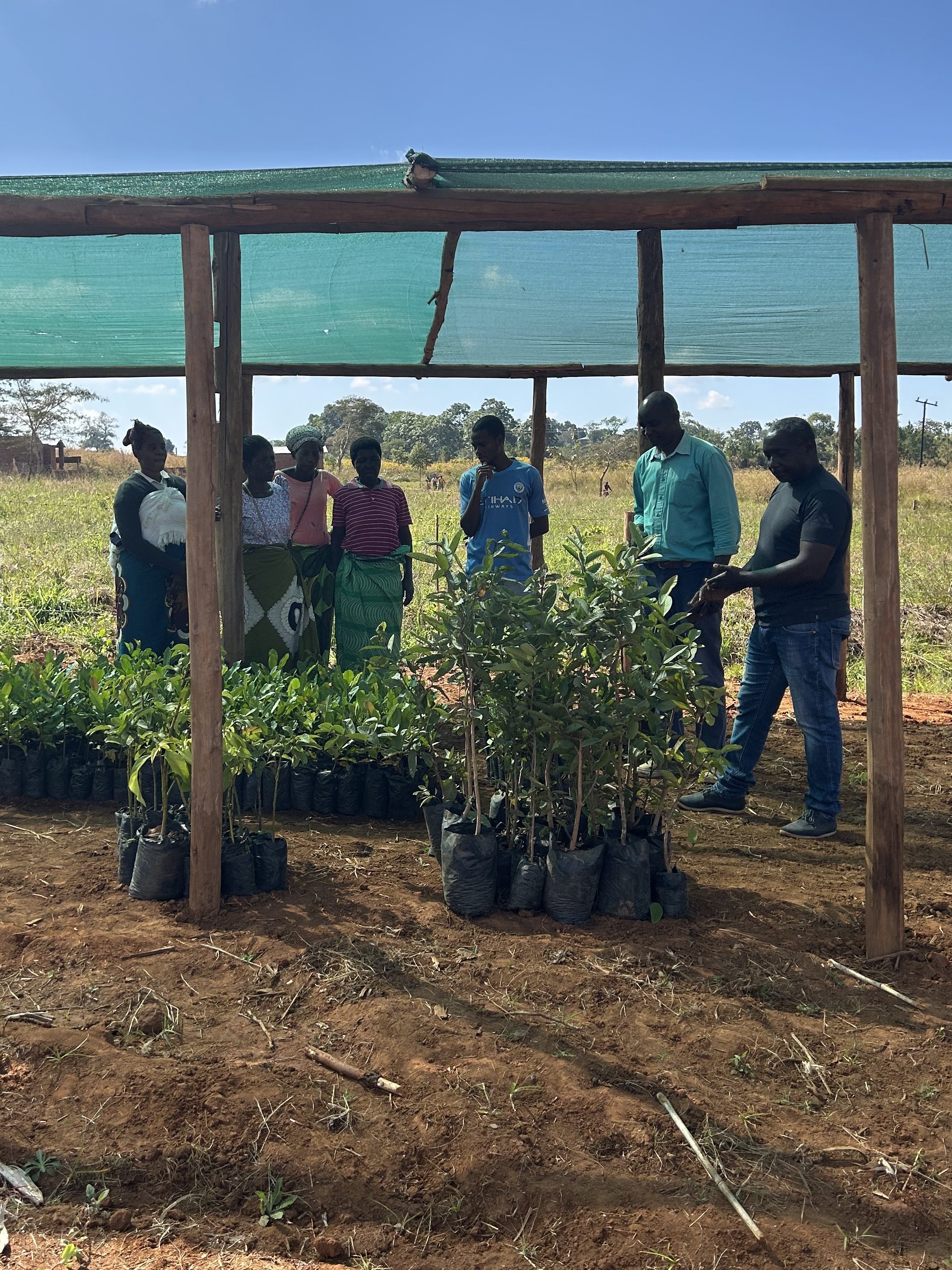
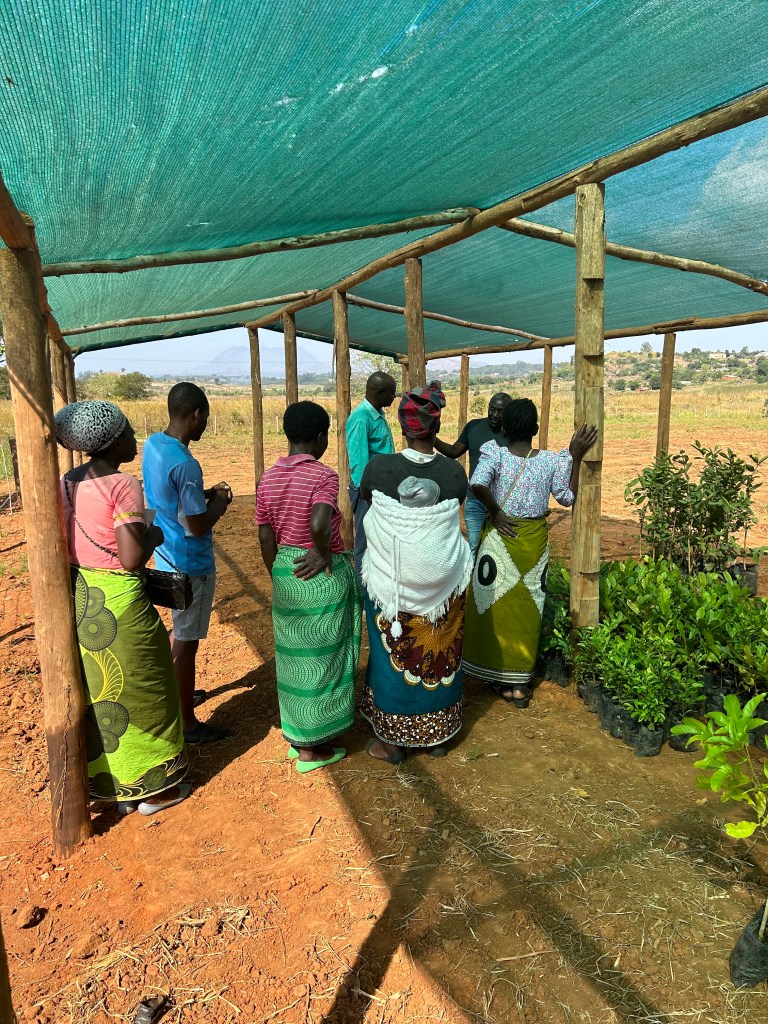
ACF held its first seedling workshop its newly built nursery. Mr. Mapopa Banda from Mapopa nursery taught our members the proper ways to plant and care for each seedling variety, including, guavas, masuku, dwarf papaya, peaches, granadilla, mulberry, avocado and oranges. Hopefully in a few years ACF will be full of fruits.

ACF’s Founding Team

In the middle of the rainy season a group of women came together to form what would be ACF. It started as an idea where women in the community could exchange ideas and start projects together with the support of the Scottish Malawi Fund and Saint Andrews Macadamia (SAM). The group of five women came up with ideas from raising cattle, hair salons, tailoring and vegetable gardens.

ACF’s founding group members consists of teachers, farmers, shopkeepers and mothers (20 kids between them). The five women ranged from young women to grandmothers. Their education ranged from having only two years of primary school to high school. Although the group varied tremendously the objectives of the group stayed consistent to grow a community centre at SAM for women to work and learn.

After the first few meetings the group steered into a clear direction- sustainable agriculture. Most of the members had some farming experience but wanted to expand their knowledge into different crops and livestock. ACF gave the opportunity to learn and try out different farming methods and practices.

Cyclone Freddy

Cyclone Freddy has caused massive damage across southern Malawi and over 1,400 deaths. Namadzi was hard hit with record rain fall.  We are grateful, despite the scale of the cyclone’s damage, SAM staff have not reported any injuries as of yet. 

Accessibility 

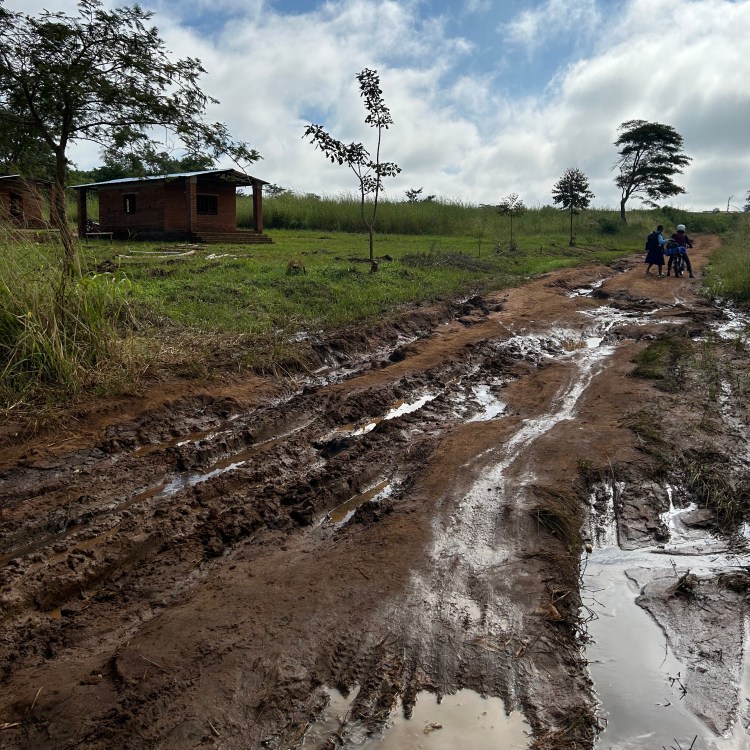
Currently SAM estate is inaccessible via the normal roads by vehicle (SAM management can access by foot and motorbike) or go around Kays Mpalaganga turn-off through Thondwe, with bridges washed away and roads badly damaged and still full of mud.  All building teams and contractors are working on temporary accessibility to the farm and farm fields. 

Immediate needs

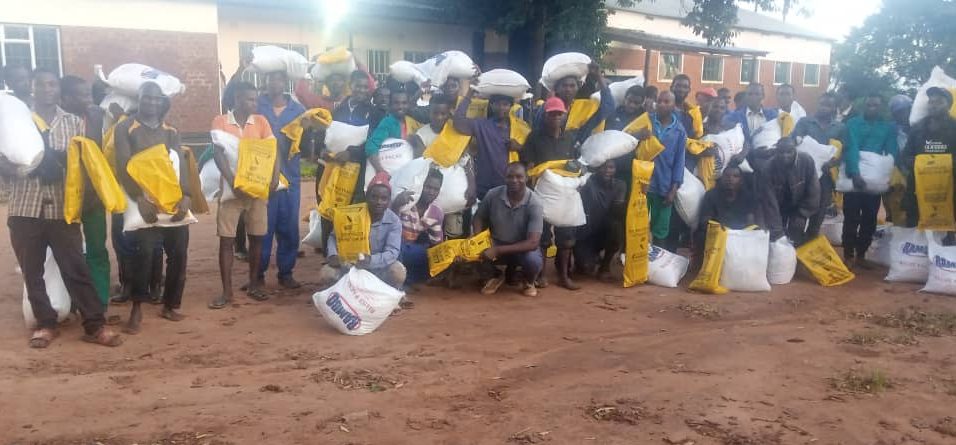
As SAM staff recovers from the cyclone it is clear the top priority is food.  A vast amount of crops were damaged by the heavy rains.  The maize harvest was only three weeks away.  This will have tremendous ramifications for this year’s maize supplies with an immense reduction to the maize harvest.  Current food supplies got wet and were ruined during the storm. Many staff houses were damaged as well.

Ensuring that SAM staff’s basic needs are being met SAM is giving out food and basic supplies, providing its staff with maize, rice, tea, candles, soaps, buckets, blankets and plastic sheeting.

Intro to beekeeping

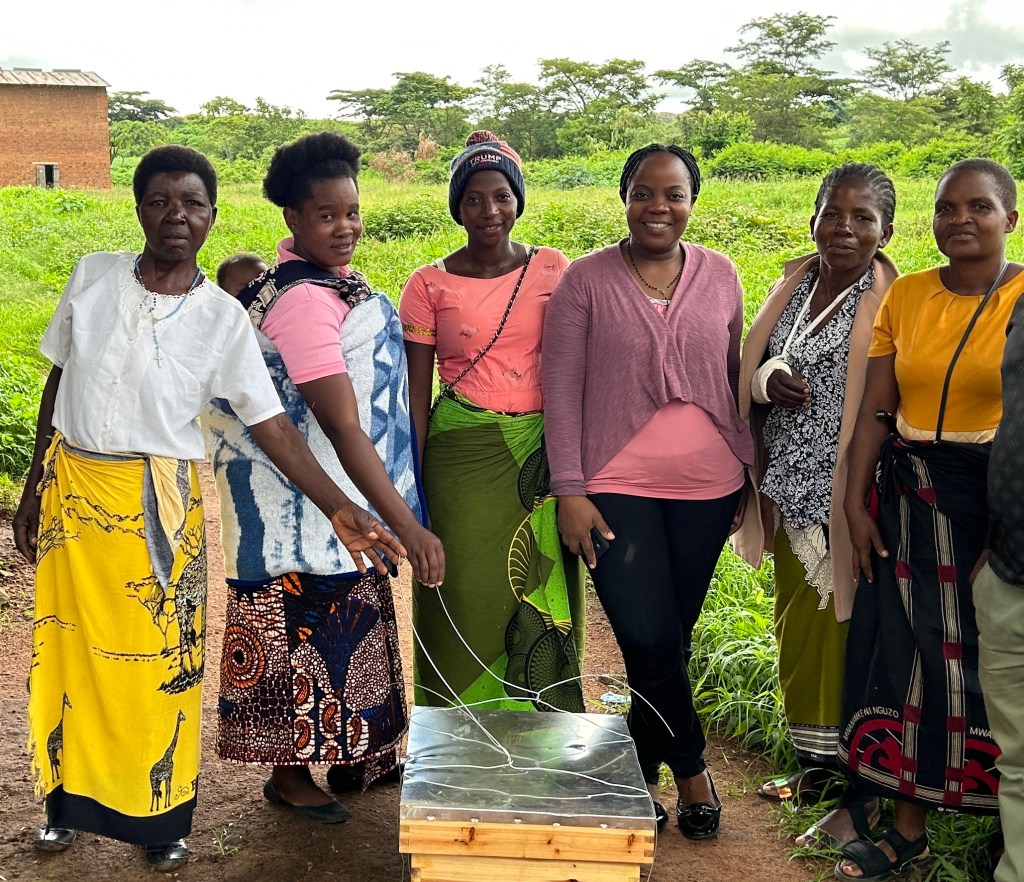
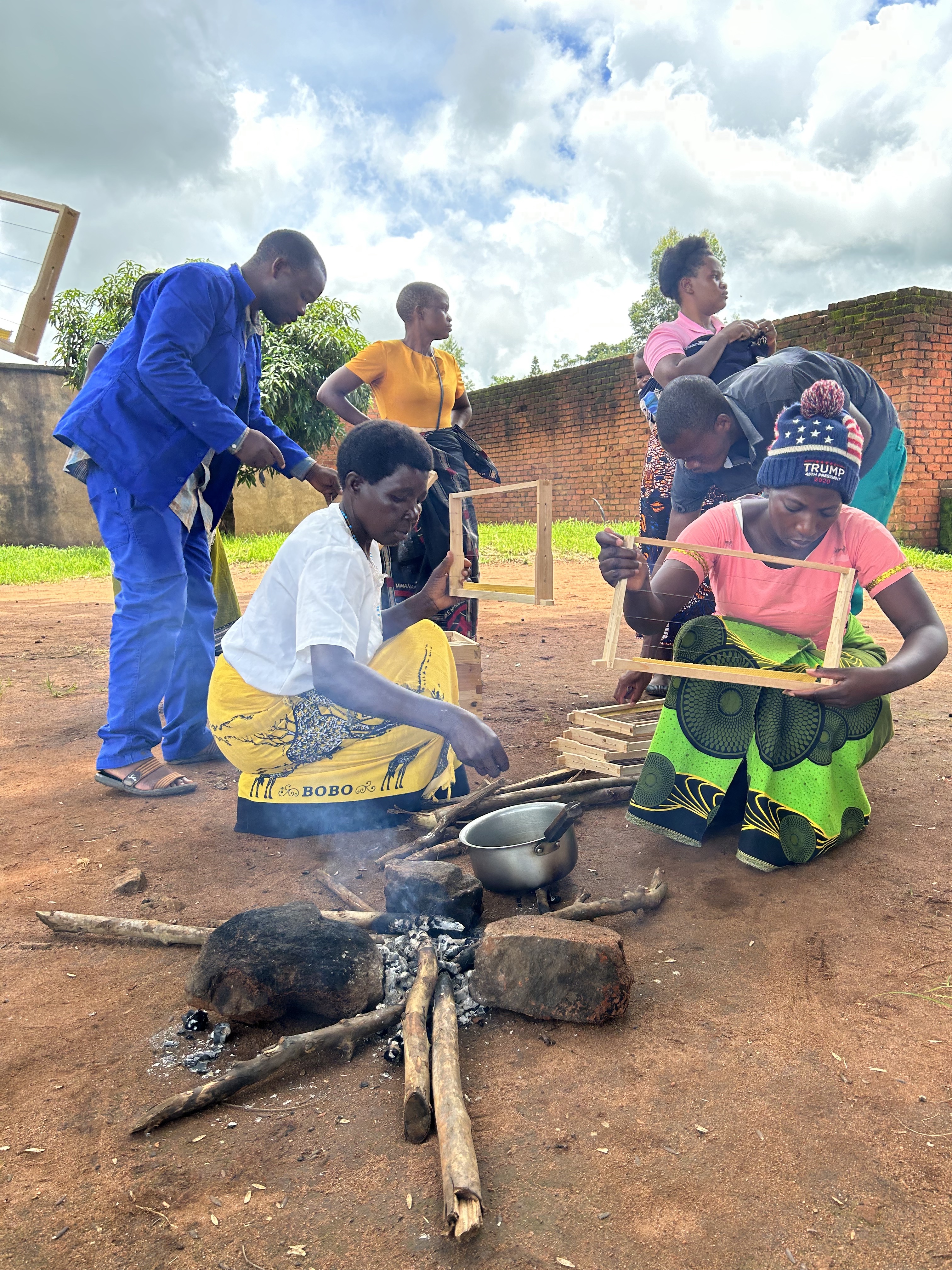
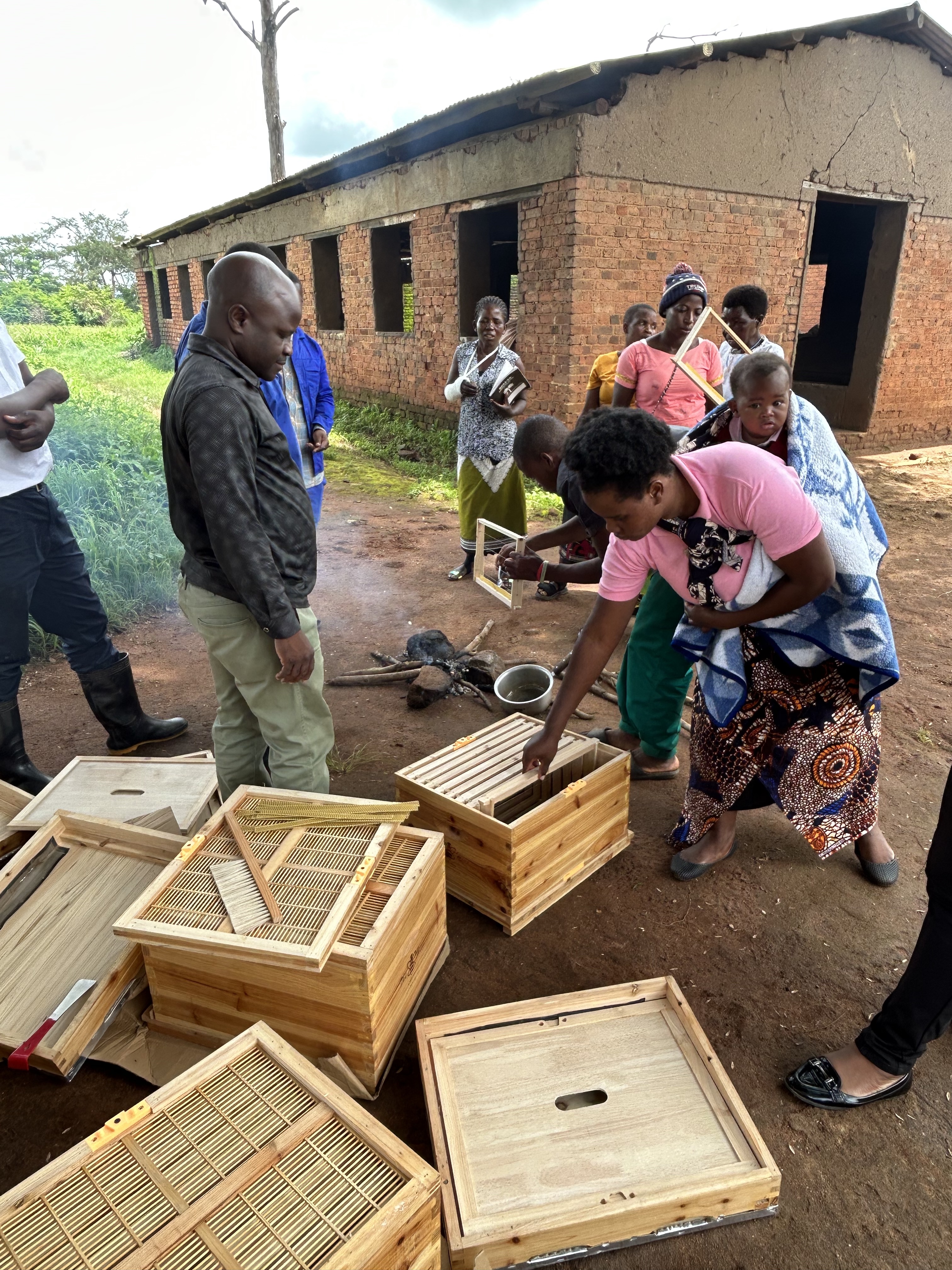
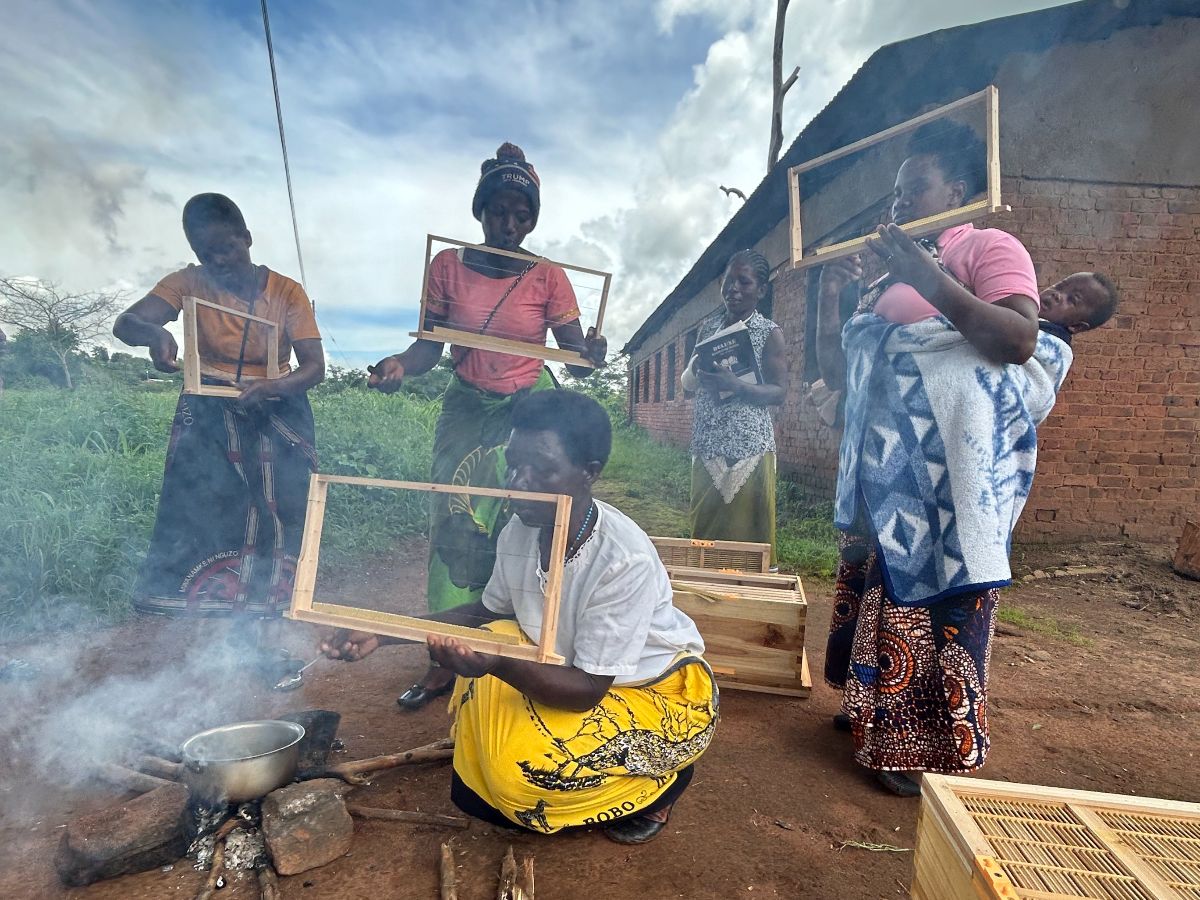
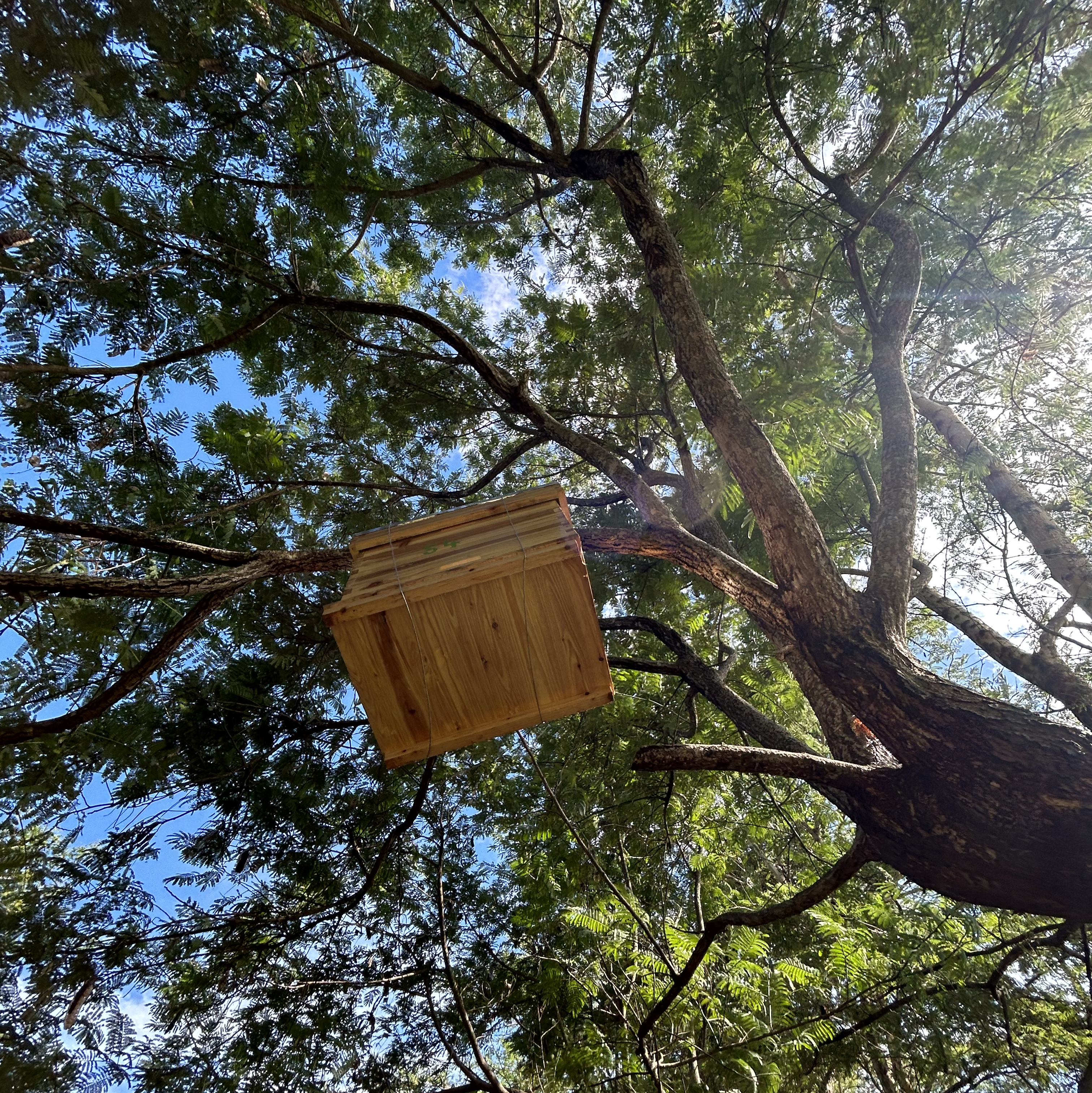
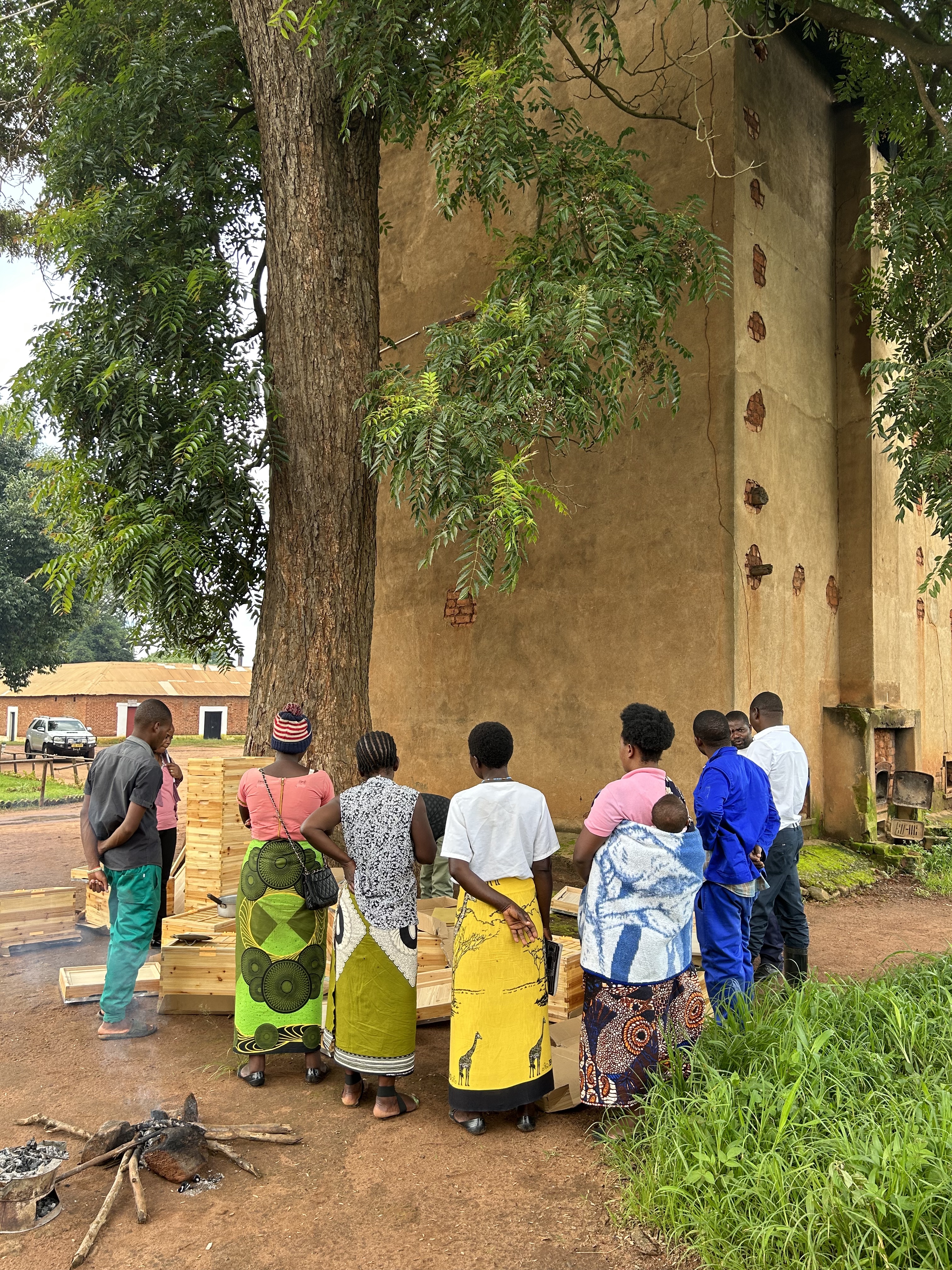
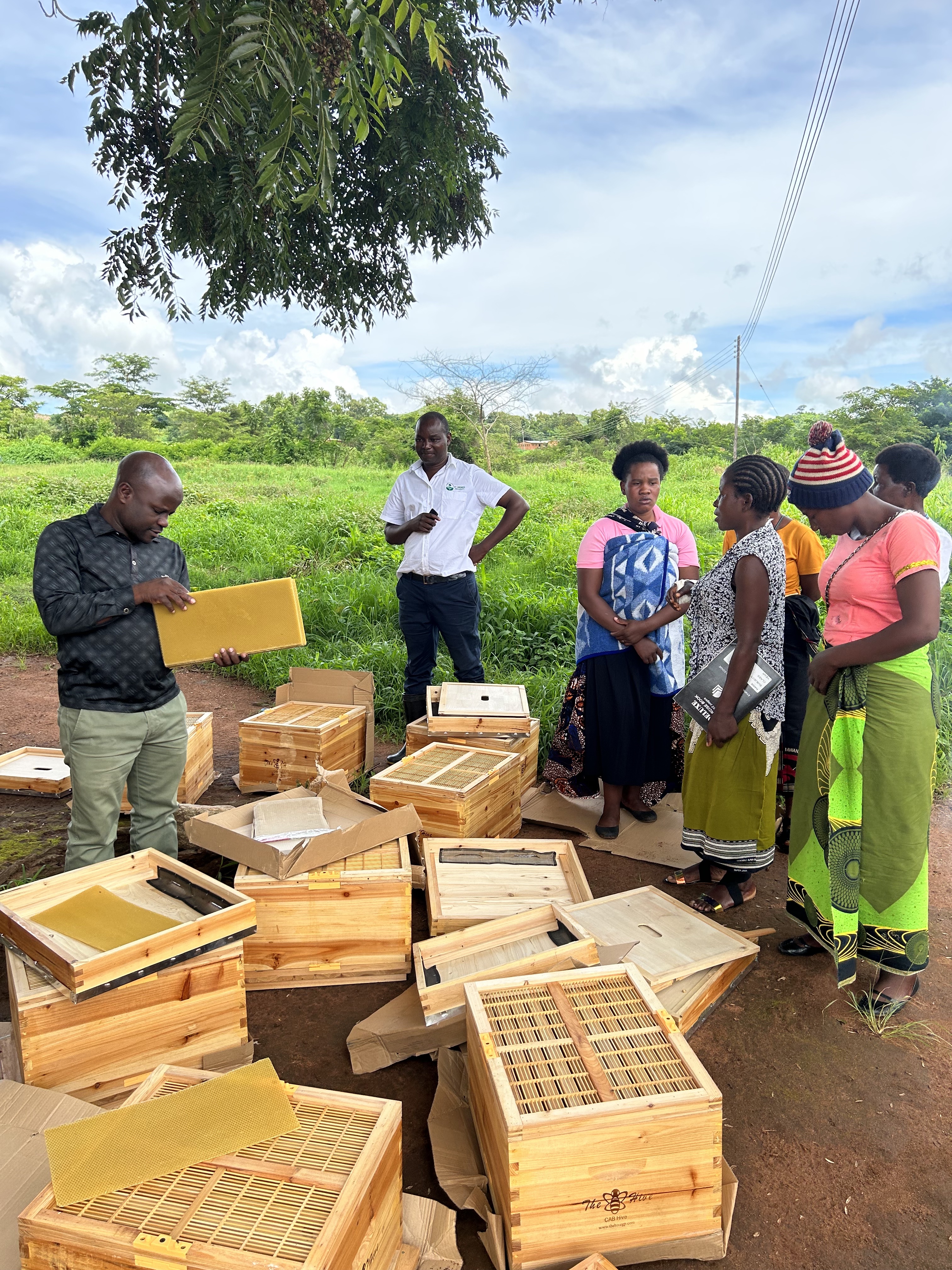
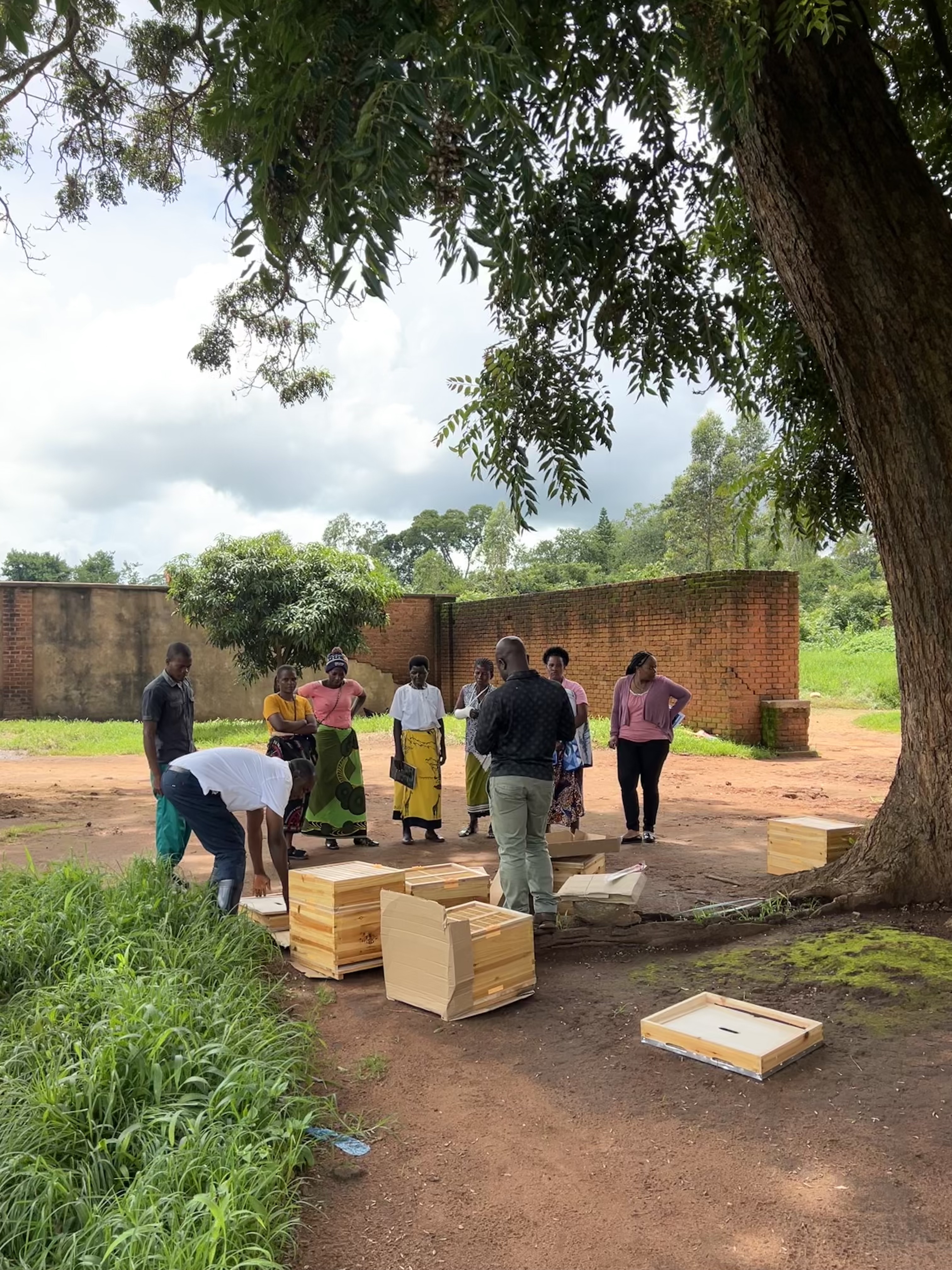
ACF held its first training, which was a beekeeping workshop. Bees not only will help pollinate the surrounding macadamia trees but provide a tasty product for the women to process and sell.  Our founding members learned the basics of beekeeping and how to assemble hives from the Honey Den.  The group set-up 10 hives during the training.  Fingers crossed bees will move in soon and in six months we should have our first batch of fresh honey. 

Building the Foundations for an Entrepreneurial Village

This month we broke ground on the foundations for SAM’s entrepreneurial village in Namadzi, a village an hour outside Blantyre, Malawi.

After talking with the community, farm staff and touring other projects in Malawi our team had an idea what the needs and wants were in the Namadzi community. A group of six women came together to form our founding members, this group will guide the projects as the entrepreneurial village takes form.

The aim of this project is to provide learning and financial opportunities to the women in the communities surrounding Saint Andrew Macadamia farm.  This will be an ongoing and evolving project.  

A clear theme came through the group’s ideas, farming, more specifically regenerative farming projects. Each proposed idea was judged on its profitability and innovation. The first projects SAM’s team will tackle is beekeeping, something none of our members have done before. We also started clearing lands for our vegetable garden and seedling nursery that will be used to grow indigenous trees that will be for sale.

As the foundation slowly forms and new projects emerge the key objective is that the foundation eventually will become self sufficient and give back to the surrounding communities through trainings and micro-loans.